RUNNIN N GUNNIN WITH @bodybyo318

Published on June 29, 2018
Duration: 4:08

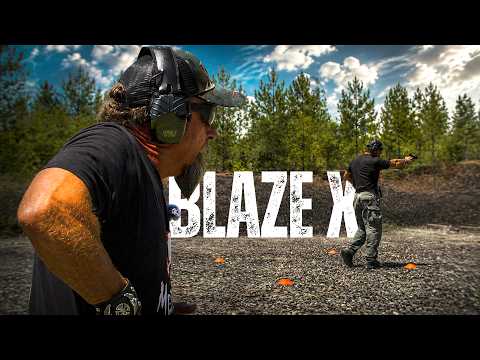
This video demonstrates dynamic handgun training drills focused on rapid target engagement and movement. It emphasizes transitioning between shooting positions (standing, kneeling, prone) and executing contact drills, likely simulating close-quarters engagements. The instructor pushes for speed and efficiency, highlighting the importance of quick reloads and maintaining a stable platform under stress.


Quick Summary

Dynamic handgun training focuses on rapid target engagement and movement, emphasizing transitions between standing, kneeling, and prone positions. Key drills include 'contact' drills for immediate threat engagement and efficient reloads under pressure. Proper hand usage is also highlighted for stability and manipulation.

Chapters

  1. 00:00Introduction & Gunshots
  2. 00:17Hand Usage & Contact Drills
  3. 00:30Rapid Engagement & Movement
  4. 00:56Call to Action & Speed
  5. 01:02Positional Transitions
  6. 01:14Returning to Drills
  7. 01:20Number Three & Two Drills
  8. 01:32Drill Sequencing
  9. 01:38Laughter & Positional Changes
  10. 01:40Prone, Standing, Kneeling Sequence
  11. 01:54Contact & Music
  12. 02:04Prone Position & Music
  13. 02:20Final Call to Number One

Frequently Asked Questions

What are the key shooting positions emphasized in dynamic handgun training?

Dynamic handgun training often emphasizes rapid transitions between standing, kneeling, and prone shooting positions. This adaptability is crucial for engaging targets effectively in varied and unpredictable scenarios, requiring proficiency in each stance.

What is a 'contact drill' in firearms training?

A 'contact drill' in firearms training typically involves engaging targets immediately upon their acquisition or appearance. This simulates close-quarters engagements and emphasizes rapid decision-making and accurate shot placement under pressure.

Why is hand usage important in dynamic shooting drills?

Proper hand usage, including the role of the non-dominant hand, is vital for stability, weapon manipulation, and efficient transitions in dynamic shooting. It contributes to a solid shooting platform and allows for quicker follow-up shots or reloads.

How can shooters improve their proficiency in dynamic handgun training?

Improving proficiency in dynamic handgun training involves consistent practice of movement drills, positional transitions, and rapid target engagement. Focusing on efficient reloads and maintaining accuracy under stress are also key components for success.

More Training & Techniques Videos You Might Like

More from Locs N Load Firearm Reviews

View all →