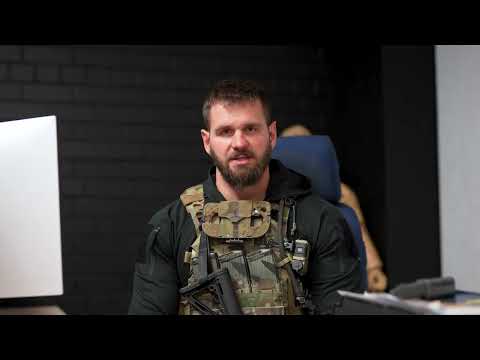
SPENDING TIME WITH TEAMMATES

Published on November 2, 2024
Duration: 0:59

This guide emphasizes the critical importance of building deep team familiarity through consistent training in various environments, including CQB. Extensive shared experience allows for unwritten coordination, rapid information processing, and the anticipation of teammate actions, which are vital for success and survival in high-stress situations.


Quick Summary

Building team familiarity through continuous training in various environments, including CQB, is vital. Extensive shared experience fosters unwritten coordination, rapid information processing, and the ability to anticipate teammate actions, crucial for success in high-stress situations.

Chapters

  1. 00:00Importance of Team Familiarity
  2. 00:14Unwritten Team Dynamics
  3. 00:31Anticipating Teammate Actions
  4. 00:52CQB Training Emphasized

Frequently Asked Questions

How does continuous training build team familiarity?

Continuous training on the flat range, in team spaces, and within structures builds crucial familiarity. This shared time and experience allows teammates to know each other inside and out, leading to better understanding, especially in low-light or high-stress situations.

What are 'house runs' and why are they important for team coordination?

'House runs' are extensive training exercises conducted in simulated environments. They are crucial for developing unwritten team dynamics, enabling individuals to process information rapidly and react instantly to subtle cues from teammates who have trained together extensively.

Can teammates anticipate each other's actions without explicit communication?

Yes, after years of training together, teammates can anticipate each other's next moves. This allows for quick, coordinated movements and support, giving individuals the necessary space to operate without explicit verbal commands.

Why is Close Quarters Battle (CQB) training so important for team cohesion?

CQB training is paramount because it hones coordination in extremely high-stakes environments. A lack of coordination in CQB can lead to fatal errors, making extensive time spent training together essential for survival and mission success.

More Training & Techniques Videos You Might Like

More from GBRS Group

View all β†’