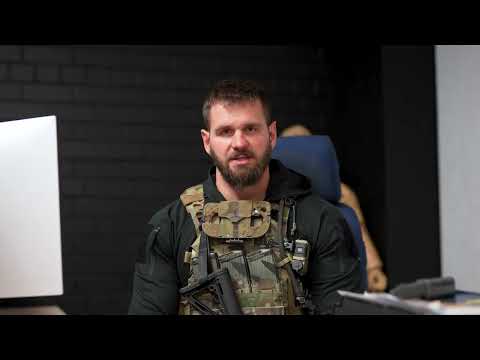
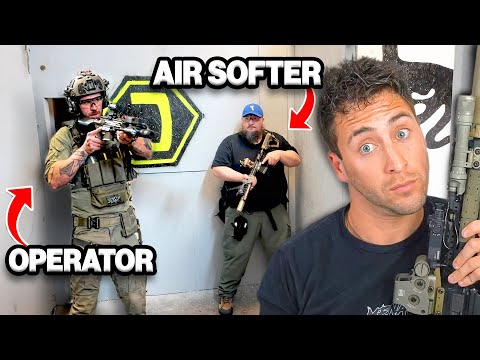
The Ethics of Teaching CQB To Civilians: A Deep Dive

Published on August 25, 2024
Duration: 10:00

This video emphasizes the critical importance of foundational firearm skills and medical training before undertaking Close Quarters Battle (CQB) instruction. It argues that CQB is an advanced skill that enhances home defense, everyday carry, and problem-solving abilities by forcing rapid decision-making under stress. The instructors highlight that CQB is a continuous learning process, akin to a 'Stanley Cup of shooting,' requiring constant adaptation and teamwork.

Quick Summary

CQB training is crucial for civilians to enhance home defense and everyday carry capabilities by improving rapid decision-making under stress. Essential prerequisites include completing Handgun Level 1 & 2, Carbine Level 1 & 2, and a medical course, ensuring a strong foundation in firearm proficiency and safety.

Chapters

  1. 00:00Ethics of Teaching CQB to Civilians
  2. 00:11Why Teach CQB?
  3. 00:21Arguments Against Teaching CQB
  4. 00:48Benefits of CQB Training
  5. 01:10CQB Training vs. Flat Range
  6. 01:38Processing Information Under Stress
  7. 02:34CQB Demands Team Awareness
  8. 02:51CQB as the 'Stanley Cup' of Shooting
  9. 03:37Blind Scenarios in CQB
  10. 04:16CQB Course Prerequisites
  11. 04:43Simunition Training
  12. 05:30Teaching CQB Correctly
  13. 06:38Importance of CQB Prerequisites
  14. 07:03Extensive Range Hours
  15. 07:37Evolving Tactics and Equipment
  16. 08:10Pre-9/11 Philosophy vs. Modern Tactics
  17. 09:03CQB Training Before and After 9/11

Frequently Asked Questions

What are the essential prerequisites for attending a civilian CQB training course?

Before attending a CQB course, civilians must complete foundational training, including Handgun Level 1 and 2, Carbine Level 1 and 2, and a medical course. This ensures a baseline proficiency and safety awareness necessary for advanced tactical training.

Why is CQB training considered beneficial for civilian gun owners?

CQB training enhances home defense, everyday carry effectiveness, and problem-solving skills under stress. It teaches individuals to process information rapidly, make split-second decisions, and adapt to dynamic, unpredictable environments.

How does CQB training differ from standard range practice?

Unlike flat-range shooting, CQB involves complex, dynamic scenarios where shooters must process information, adapt to changing environments, and cover teammates. Every entry is a blind scenario, demanding higher levels of situational awareness and decision-making.

What is the ethical justification for teaching CQB to civilians?

The ethical argument is that withholding advanced tactical training from civilians is unnecessary, as any firearm training can potentially be misused. Teaching it correctly ensures civilians are better prepared for self-defense and aligns with principles of an informed populace.

Related News

All News →

More Training & Techniques Videos You Might Like

More from Paramount Tactical

View all →