The Ultimate Rifle Tip: Real Time Zeroing with Ryan Cleckner | Long-Range Rifle Shooting

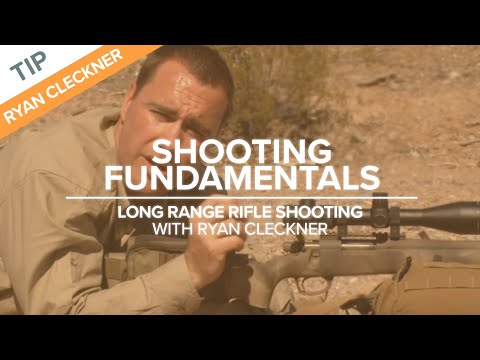
This guide details Ryan Cleckner's practical, real-time rifle zeroing technique, emphasizing efficiency and accuracy for long-range shooting. Cleckner, a former Army Ranger sniper and author, demonstrates how to start at 25 yards, utilize bore sighting, and leverage scope reticles for precise adjustments. The method prioritizes shooting groups at 100 yards for statistical reliability and offers a systematic approach to achieving a precise zero.


Quick Summary

Ryan Cleckner's expert rifle zeroing technique starts at 25 yards for efficiency, utilizes bore sighting for initial alignment, and emphasizes shooting groups at 100 yards for statistical accuracy. He leverages MIL-based reticles for precise angular measurements, ensuring a reliable long-range zero.

Chapters

  1. 00:00Introduction to Zeroing
  2. 00:43The 25-Yard Starting Point
  3. 01:36Bore Sighting Technique
  4. 03:34Reticle vs. Impact Adjustments
  5. 05:56Analyzing the 25-Yard Shot
  6. 07:36Using the Reticle for Measurement
  7. 09:16Shooting Groups at 100 Yards
  8. 13:11Final Adjustments and Statistical Probability

Frequently Asked Questions

What is the recommended starting distance for zeroing a rifle scope?

Ryan Cleckner recommends starting the zeroing process at 25 yards. This ensures your initial shots land on the paper, saving ammunition and time, and allows for easier calculation of adjustments needed for longer distances like 100 yards.

How does bore sighting help in zeroing a rifle scope?

Bore sighting aligns the rifle's barrel with the target, providing a rough initial zero. By treating the barrel as concentric circles and centering them on the target, you can then adjust the scope's reticle to match this alignment, significantly reducing the shots needed to achieve a precise zero.

Why is it important to shoot groups instead of single shots when zeroing at 100 yards?

Shooting groups at 100 yards provides a more statistically reliable measure of your rifle's true zero. It helps account for shooter error, rifle consistency, and environmental factors, giving you a better average impact point than a single shot might indicate.

What is the advantage of using a MIL-based reticle for zeroing?

A MIL-based reticle, especially in a first focal plane scope, allows you to measure the angular distance between your bullet's impact and the bullseye. This measurement is consistent regardless of magnification and can be directly translated into scope adjustments for precise zeroing.

More Training & Techniques Videos You Might Like

More from NSSF—The Firearm Industry Trade Association

View all →