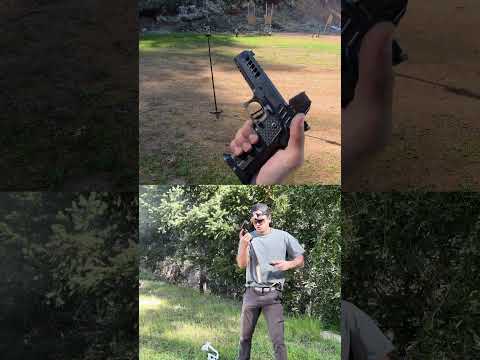
Train Like This & You’ll Outshoot 90% of Gun Owners

Published on February 11, 2025
Duration: 12:07

Improve your shooting by practicing dry fire, a method of rehearsing with an unloaded firearm. Consistent, short daily sessions (2-4 minutes) are highly effective for enhancing gun handling skills. Prioritize safety by ensuring a dedicated, ammo-free training environment. Start with fundamental drills like aiming, drawing, target transitions, and reloads, then progress with tools like shot timers and advanced resources.

Quick Summary

Dry fire training involves practicing with an unloaded firearm to improve gun handling skills without live ammunition. Consistent daily practice, even just 2-4 minutes, is highly effective for surpassing most gun owners' proficiency levels.

Chapters

  1. 00:00Introduction to Dry Fire Training
  2. 02:23Getting Started: Equipment & Cadence
  3. 03:08Crucial Safety Protocols for Dry Fire
  4. 03:56Daily Drills for Beginner Shooters
  5. 06:54Advanced Training Tools & Techniques
  6. 08:15Top Online Resources for Training
  7. 09:50Reaching the Next Level in Shooting

Frequently Asked Questions

What is dry fire training and why is it important?

Dry fire is practicing firearm manipulation and shooting fundamentals without live ammunition. It's crucial because it allows for consistent, safe, and cost-effective skill development, enabling you to improve faster than 90% of gun owners.

What basic equipment is needed for dry fire practice?

You primarily need your firearm, a quality holster, spare magazines, and a simple, safe target like a wall outlet or a designated spot on a wall. Snap caps or dummy rounds can also be beneficial.

How often should I practice dry fire?

Consistency is key. Even short, daily sessions of 2-4 minutes can be highly effective. Establish a schedule that fits your routine to build muscle memory and proficiency over time.

What are the most important safety rules for dry fire?

Always ensure your training environment is completely free of live ammunition. Physically separate live ammo to a different room. Treat every firearm as if it were loaded, even during dry fire.

Related News

All News →

More Training & Techniques Videos You Might Like

More from Tenicor

View all →