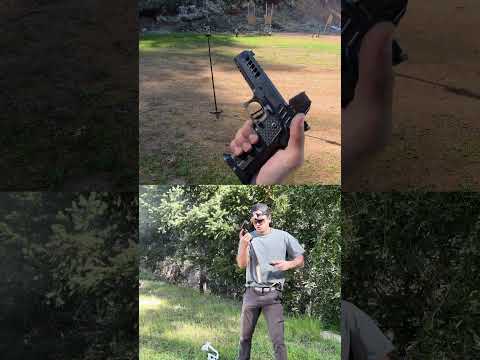
Train Like This & You’ll Outshoot 90% of Gun Owners

Published on February 11, 2025
Duration: 12:07

This guide outlines a structured dry fire training routine designed to improve gun handling skills significantly. It emphasizes consistency, starting with basic drills like aiming, drawing, target transitions, and reloads, and suggests progression with tools like shot timers and dummy rounds. The instruction is presented with high authority, referencing methods used by champion shooters and industry-standard training literature.

Quick Summary

Dry fire is the most effective way to improve gun handling skills and outshoot 90% of gun owners without excessive range time. Basic requirements include a firearm, holster, and magazines. Safety is paramount: ensure a live-ammo-free environment. Daily practice of 2-4 minutes is effective, progressing with tools like shot timers and dummy rounds.

Chapters

  1. 00:00Introduction to Dry Fire
  2. 02:23Getting Started: Equipment & Cadence
  3. 03:08Safety Protocols
  4. 03:56Daily Drills for Beginners
  5. 06:54Advanced Training & Equipment
  6. 08:15External Resources
  7. 09:50The Next Level

Frequently Asked Questions

What are the basic requirements for starting dry fire training?

To begin dry fire training, you'll need a firearm, a holster, magazines, and a simple reference point like a wall outlet. Consistency is key, with even 2-4 minutes daily proving effective for improving gun handling skills.

How can I make my dry fire training more advanced?

To progress in dry fire, increase session length and incorporate tools like shot timers for par times, clear magazines for safety, weighted dummy rounds for realism, and scaled targets to simulate distance. This enhances skill development.

What are the most crucial safety protocols for dry fire?

Safety is paramount in dry fire. Always ensure a dedicated training environment with absolutely zero live ammunition. Physically separate live ammunition in a different room to prevent any risk of unintended discharges during practice.

Which resources are recommended for structured dry fire training?

Recommended resources include free online platforms like Pistol-Training.com and YouTube channels from competitive shooters like JJ Racaza. For deeper study, consider foundational texts by experts such as Saul Kirsch, Steve Anderson, and Ben Stoeger.

Related News

All News →

More Training & Techniques Videos You Might Like

More from Tenicor

View all →