Training Simulations Should Reflect Reality

Published on February 6, 2025
Duration: 0:36

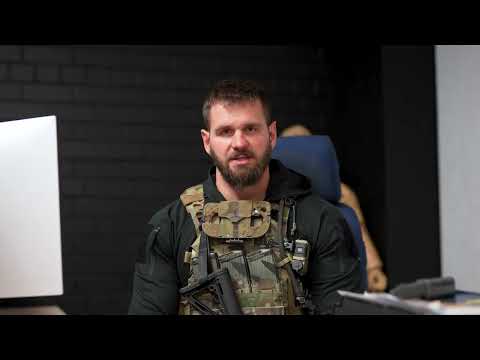
This guide, informed by former Tier 1 Special Operations members Cole Fackler and DJ Shipley of GBRS Group, stresses the critical need for training simulations to accurately reflect real-world combat. It details a progression for full team assaults, emphasizing proper tactical movement, cover, and the psychological preparedness required for complex scenarios like hostage rescue. The core message is that training must provide realistic feedback to be effective.


Quick Summary

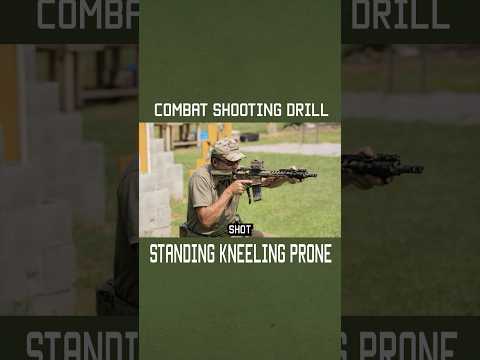
Training simulations must accurately reflect reality, as people behave differently when real bullets are involved. According to former Tier 1 operators from GBRS Group, training should focus on proper tactical movement, cover, and the psychological differences between training and combat, rather than feeling like a paintball match. This ensures effective preparation for complex scenarios like full team assaults and combat clearance.

Chapters

  1. 00:00Importance of Realistic Feedback
  2. 00:15Full Team Assault Progression

Frequently Asked Questions

Why is realistic feedback crucial in tactical training?

Realistic feedback is crucial because participants behave differently when real bullets are involved compared to simulated rounds. Training that doesn't mirror reality, like focusing only on exchanging sim rounds without proper tactical movement, provides poor feedback and fails to prepare individuals for actual combat scenarios.

What are the key elements of a full team assault progression in training?

A full team assault progression involves a structured process including briefing, meticulous planning, coordinated execution, and a controlled walk-in. The objective is to ensure a seamless transition from the initial assault to effective combat clearance, preparing the team for complex, high-stakes situations.

How does GBRS Group emphasize realism in their training philosophy?

GBRS Group, represented by former Tier 1 operators, emphasizes that training simulations must accurately reflect reality. They advocate for focusing on proper tactical movement, cover, and the psychological differences between training and real combat, moving beyond scenarios that feel like mere games.

What tactical concepts are discussed regarding team operations?

The discussion covers advanced tactical concepts such as 'combat clearance' and managing 'multiple entry points' during full team assaults. The focus is on achieving a seamless progression from the initial assault to clearing all threats, ensuring team readiness for complex operational environments.

Related News

All News →

More Training & Techniques Videos You Might Like

More from GBRS Group

View all →