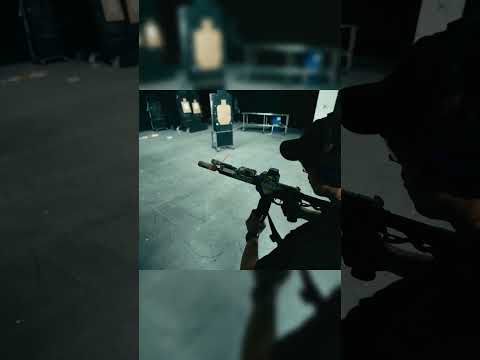
Transitions - Rifle to Pistol - John "Shrek" McPhee #sobtactical #specialforces #deltaforce #fyp

John 'Shrek' McPhee demonstrates a critical rifle-to-pistol transition technique. Key steps include a controlled rifle release, pinning the stock to the body with the support hand to prevent movement, drawing the pistol, and then re-acquiring the rifle. This method ensures a stable platform for engaging targets with either weapon system.

Quick Summary

John McPhee demonstrates a controlled rifle release by sliding the support hand over and letting the weapon drop naturally. He then pins the rifle stock to his body to prevent movement before drawing his pistol. After engagement, he re-holsters slowly and re-acquires the rifle.

Chapters

  1. 00:00Rifle Release Technique
  2. 00:16Pinning the Rifle
  3. 00:31Pistol Draw and Engagement
  4. 00:44Re-holstering and Recovery

Frequently Asked Questions

What is the proper way to release a rifle during a weapon transition?

According to John McPhee, avoid throwing the rifle. Instead, slide your support hand over the weapon and let it naturally drop into its slung position while maintaining control.

Why is pinning the rifle important during a transition?

Pinning the rifle's stock against your body with your support hand stabilizes the weapon. This prevents it from swaying or shaking, ensuring it doesn't interfere with your pistol draw and subsequent engagement.

How should you draw your pistol after securing your rifle?

With the rifle pinned, draw your pistol. Bring your hands together, align the pistol sights with your eye, and push the firearm out to achieve a clean shot.

What is the recommended procedure for re-holstering and recovering the rifle?

McPhee advises re-holstering the pistol slowly and deliberately. Once secured, bring the rifle back into action, performing a quick status check to confirm it's ready for use.

Related News

All News →

More Training & Techniques Videos You Might Like

More from Sheriff of Baghdad | John "Shrek" McPhee

View all →