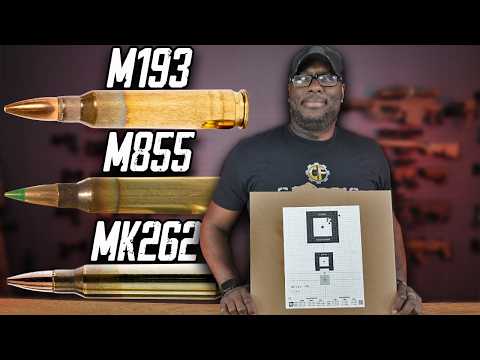
Which Zero Should You Use For Your AR-15?

Published on April 16, 2025
Duration: 17:37

This video explores the optimal zeroing distances for an AR-15, emphasizing that 'mission dictates gear.' It details the mechanics of Point of Aim (POA) vs. Point of Impact (POI) and analyzes various zeroing options like 25-yard, 36-yard, 50-yard, and 100-yard zeros. The 50-yard zero is highlighted as a versatile choice for law enforcement and general use due to its flat trajectory, keeping shots within 2 inches of POA from 0 to 250 yards.

Quick Summary

The 50-yard zero is a versatile choice for AR-15s, keeping shots within 2 inches of the Point of Aim (POA) from 0 to 250 yards. This flat trajectory makes it ideal for law enforcement and general use, minimizing the need for holdovers or holdunders at common engagement distances.

Chapters

  1. 00:00Intro: AR-15 Zeroing Options
  2. 01:24Factors Affecting Zero Choice
  3. 02:11POA vs. POI Explained
  4. 03:3525-Yard Zero Analysis
  5. 04:3136-Yard/Meter Zero
  6. 05:1950-Yard Zero (Preferred)
  7. 07:41100-Yard Zero for Beginners
  8. 08:54Barrel Length & Ammo Impact
  9. 10:48Dual-Optic Setup Example
  10. 13:20Why the 50-Yard Zero Wins

Frequently Asked Questions

What is the best zero distance for an AR-15?

The best zero distance for an AR-15 depends on its intended use. For general purposes and law enforcement, a 50-yard zero is often preferred as it keeps shots within 2 inches of the POA from 0 to 250 yards. Shorter ranges might use 25 yards, while longer ranges or specific applications might favor 36 or 100 yards.

How does barrel length affect AR-15 zeroing?

Shorter barrels, like a 12.5-inch SBR, produce lower muzzle velocity compared to a 16-inch barrel. This difference in velocity affects bullet drop and trajectory, meaning the optimal zero distance and the resulting Point of Impact (POI) will vary between rifles with different barrel lengths.

What is the difference between Point of Aim (POA) and Point of Impact (POI)?

Point of Aim (POA) is where you intend to hit the target, while Point of Impact (POI) is where the bullet actually lands. Due to bullet trajectory, the POA and POI often don't align perfectly, especially at different distances. Zeroing aligns them at specific ranges.

Why is the 50-yard zero considered a good option for AR-15s?

The 50-yard zero is highly regarded because it offers a very flat trajectory for the 5.56 platform. This means your bullet will remain close to your line of sight (within 2 inches) across a wide range of common engagement distances, from close quarters out to about 250 yards.

Related News

All News →

More Training & Techniques Videos You Might Like

More from ClassicFirearms

View all →