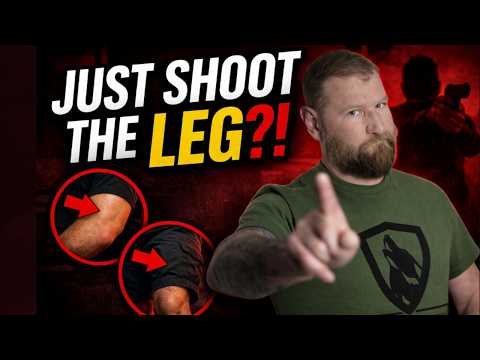
Why Law Enforcement Teaches Center Mass?

Published on April 11, 2022
Duration: 10:01

This video from Geauga Firearms Academy explains why law enforcement is trained to shoot center mass. Instructor Neil emphasizes that in high-stress, life-or-death situations, adrenaline significantly impacts performance, causing physiological responses like hand tremors and tunnel vision. Center mass is taught as the largest target area, increasing the probability of a disabling hit to stop a threat effectively. The video also touches on the legal and emotional ramifications of using deadly force, including the concept of the 'emotional fight' and the responsibility for a bullet's final resting place.

Quick Summary

Law enforcement is trained to shoot center mass because it offers the largest target area, increasing the likelihood of a hit that effectively stops a threat. This doctrine accounts for the significant physiological impacts of adrenaline dumps during high-stress situations, which can impair fine motor skills and accuracy.

Chapters

  1. 00:00Introduction: Why Shoot Center Mass?
  2. 00:20The High-Stress Environment
  3. 00:51Human Psyche and Biological Responses
  4. 01:14Using a Firearm Under Pressure
  5. 01:40Chaotic Environments and Bystanders
  6. 02:32Adrenaline Dump Example: Hand Tremors
  7. 03:03Physiological Effects of Adrenaline
  8. 04:04High-Pressure, Quick Decision Environment
  9. 04:13Reason for Center Mass: Largest Target
  10. 04:32Goal: Stop the Threat
  11. 04:43Why Not Shoot the Head?
  12. 05:18Neck Area Vulnerability
  13. 05:35Responsibility for Bullet Trajectory
  14. 05:50The Emotional Fight
  15. 06:24Center Mass: Largest Target Area
  16. 06:31Addressing 'Shoot Them in the Leg'
  17. 06:38Femoral Artery and Survivability
  18. 07:32The Pelvic Girdle Shot
  19. 08:04Indexing Support Hand for Pelvic Shot
  20. 08:09Destroying Structure to Stop Threat
  21. 08:30Percentile Shots: High vs. Low
  22. 09:01Bottom Line: Why Center Mass?
  23. 09:09Conclusion and Channel Information

Frequently Asked Questions

Why do law enforcement officers train to shoot center mass?

Law enforcement officers train to shoot center mass because it represents the largest target area on the human body. This increases the probability of a disabling hit under extreme stress, where physiological responses like adrenaline dumps can impair accuracy. The primary goal is to effectively and reliably stop a threat.

What are the physiological effects of adrenaline during a high-stress encounter?

During a high-stress encounter, an adrenaline dump can cause significant physiological changes. These include hand tremors, elevated heart rate, tunnel vision, and audio exclusion. These effects can make precise aiming and complex actions much more difficult, influencing shooting doctrine.

Is shooting the head or legs a viable alternative to center mass for law enforcement?

While headshots are difficult under stress and leg shots can be lethal (e.g., femoral artery), center mass is preferred for its larger target size and higher probability of incapacitation. The pelvic girdle is also a tactical consideration for close-range incapacitation by destroying structure.

What is the 'emotional fight' in the context of using deadly force?

The 'emotional fight' refers to the profound psychological and emotional impact of using deadly force, even when legally justified. It's the internal struggle that can persist long after the physical encounter, involving guilt, trauma, and the responsibility for taking a life.

More Training & Techniques Videos You Might Like

More from Geauga Firearms Academy

View all →