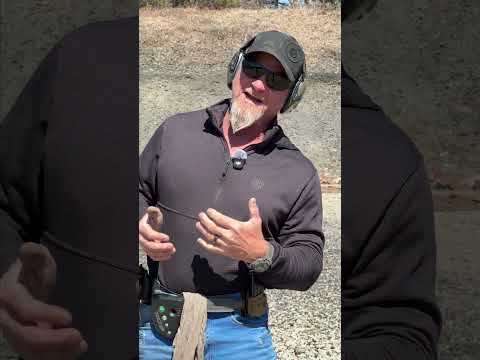
Working with Bullseyes

Published on April 8, 2026
Duration: 4:08

This video demonstrates the importance of working with bullseye targets for maintaining firearm accuracy. The instructor emphasizes slow fire to diagnose sight drift and make precise click adjustments. It highlights that consistent accuracy is paramount for responsible gun handling and advocates for regular zero checks, especially before timed drills.


Quick Summary

Slow, deliberate fire on bullseye targets is crucial for diagnosing sight drift and confirming your firearm's zero. By observing where shots land relative to your aim, you can make precise click adjustments to improve accuracy. Regularly checking your zero ensures consistent performance and responsible gun handling.

Chapters

  1. 00:02Slow Fire Bullseye Shooting
  2. 00:12Sight Drift Causes
  3. 00:23Stickler for Accuracy
  4. 00:48Initial Group Assessment
  5. 00:52Setting Up a Clean Bull
  6. 00:57Shooting at 25 Yards
  7. 01:29Distance Confirmation (25 Yards)
  8. 02:01Checking the Group
  9. 02:06Group Analysis (Low Impact)
  10. 02:10Score Calculation (95)
  11. 02:17Identifying Flyers
  12. 02:23Making Click Adjustments
  13. 02:27Importance of Checking Zero
  14. 02:33Value of Bullseye Shooting
  15. 02:41Countering 'Spray and Pray'
  16. 02:53Emphasis on Distance and Accuracy
  17. 03:00Accuracy for Impunity
  18. 03:03Responsible Gun Handling
  19. 03:06Avoiding Indiscriminate Fire
  20. 03:11Necessity of Bullseye Work
  21. 03:13Comprehensive Training Principles
  22. 03:18Showing Progression in Training
  23. 03:20Scoring, Timing, and Notes
  24. 03:26Legacy Courses of Fire
  25. 03:31Shooter Proficiency Assessment
  26. 03:36Knowing Your Standing (Mid-90s)
  27. 03:41Avoiding Unwanted Shots
  28. 03:46Introspection and Rushing Shots

Frequently Asked Questions

Why is slow fire shooting important for firearm accuracy?

Slow fire shooting on bullseye targets is essential for diagnosing sight drift and confirming your firearm's zero. It allows you to precisely see where your shots are landing relative to your aim, enabling accurate sight adjustments and ensuring consistent performance.

How do you adjust firearm sights for accuracy?

To adjust firearm sights, first shoot a group on a bullseye target. Observe the group's position and make small, one-click adjustments to the sights in the direction needed to bring the point of impact closer to the point of aim. Re-test after each adjustment.

What is a good score for bullseye shooting?

A score in the mid-90s out of 100 is considered acceptable for bullseye shooting, indicating good accuracy. While high 90s are preferred, the focus is on consistent grouping and minimizing flyers, which are shots that deviate significantly from the main group.

Why should shooters regularly check their firearm's zero?

Firearm sights can drift off zero due to handling, transport, or general use. Regularly checking your zero, especially before engaging in timed drills or courses of fire, ensures your firearm is accurately sighted and ready for precise shooting.

More Training & Techniques Videos You Might Like

More from Pat Mac

View all →