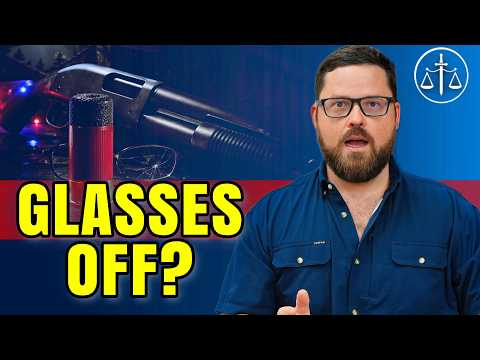
Can I Shoot An Attacker If They Don't Have a Weapon?

Published on August 3, 2021
Duration: 9:40

This video, featuring USCCA's Kevin Michalowski and attorney Tom Grieve, discusses the complex legalities of using deadly force against an unarmed attacker. It emphasizes that an unarmed individual can pose a deadly threat if their actions foreseeably could lead to death or great bodily harm, with specific considerations for factors like size disparity. The importance of understanding state-specific laws and de-escalation is highlighted.

Quick Summary

Deadly force against an unarmed attacker is legally justified if they pose a deadly threat, meaning their actions foreseeably could cause death or great bodily harm. Factors like size disparity are considered, and state-specific laws must be consulted. Prioritizing de-escalation is key to avoiding legal battles.

Chapters

  1. 00:00Justification for Shooting Unarmed Attackers
  2. 00:33Legal Nuance of Unarmed Attacks
  3. 01:23Checking Local Self-Defense Laws
  4. 01:41Defining a Deadly Threat
  5. 02:26Understanding Great Bodily Harm
  6. 03:00Victim-Subject Factors
  7. 04:47Legal Risks and Prosecution
  8. 05:58Avoidance and De-escalation Strategies

Frequently Asked Questions

When is it legally permissible to use deadly force against an unarmed attacker?

Deadly force is permissible if an unarmed attacker poses a deadly threat, meaning their actions foreseeably could cause death or great bodily harm. This considers factors like size disparity and the nature of the assault, and is subject to state-specific laws and legal interpretation.

What constitutes 'great bodily harm' in self-defense law?

'Great bodily harm' generally refers to injuries that create a substantial risk of death, cause serious permanent disfigurement, or result in the loss or impairment of the function of any bodily member or organ. Its interpretation can vary in legal proceedings.

How important is de-escalation in self-defense situations?

De-escalation and avoiding confrontation are paramount. The best fight is the one avoided. Proactively identifying threats and seeking to de-escalate can prevent the need for force and subsequent legal entanglements.

Where can I find information on self-defense laws?

It is crucial to check state-specific laws. Resources like USCCA.com/laws offer guidance on these legalities, helping individuals understand their rights and responsibilities regarding self-defense.

Related News

All News →

More 2nd Amendment & Law Videos You Might Like

More from USCCA

View all →