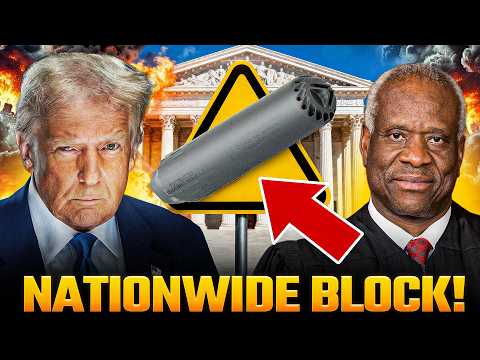
Do Illegal Immigrants Have The Constitutional Right To Bear Arms In The United States?

Published on March 25, 2024
Duration: 11:44

This video analyzes the US v Flores court ruling regarding whether illegal immigrants have a constitutional right to bear arms. The speaker argues that fundamental rights, including the Second Amendment, are not granted by government but are pre-existing and universal, derived from the Creator. Therefore, citizenship should not be a prerequisite for exercising these rights, though enforcement of immigration laws is also acknowledged.

Quick Summary

The US v Flores case explored whether illegal immigrants have a constitutional right to bear arms. The speaker argues that fundamental rights are universal and pre-exist government recognition, suggesting citizenship should not be a barrier to exercising these inherent rights, though border enforcement is also acknowledged.

Chapters

  1. 00:00Introduction: Divided Second Amendment Community
  2. 00:16The US v Flores Ruling
  3. 01:18Philosophical Basis of Rights
  4. 02:30Origin of Rights: Declaration of Independence
  5. 04:18Universality of Rights
  6. 06:14Rights and Citizenship
  7. 07:38Caveats and Judge's Analysis
  8. 09:00Community Implications
  9. 10:34Sponsor Message

Frequently Asked Questions

Do illegal immigrants have a constitutional right to bear arms in the US?

The US v Flores case examined this, with the speaker arguing that fundamental rights like the Second Amendment are universal and pre-exist government recognition, thus not solely tied to citizenship. While the ruling is debated, the philosophical stance is that such rights should not be denied based on immigration status.

Where do constitutional rights come from, according to legal philosophy?

According to the speaker's interpretation of legal philosophy and the Declaration of Independence, constitutional rights are not granted by the government but are pre-existing, universal, and derived from the Creator. The Bill of Rights recognizes these inherent rights.

Does citizenship determine the exercise of constitutional rights?

The speaker argues against citizenship being a determinant for exercising fundamental rights, using the Fourth Amendment as an example. They contend that rights are universal and should apply regardless of one's legal status within a country.

What is the significance of the US v Flores case?

The US v Flores case is significant because it directly questioned whether individuals residing in the US illegally possess the constitutional right to keep and bear arms, sparking debate within the Second Amendment community and legal circles.

Related News

All News →

More 2nd Amendment & Law Videos You Might Like

More from USCCA

View all →