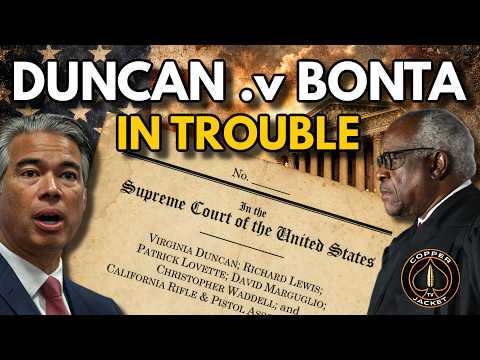
Should Churches be “Sensitive Places”?

Published on May 9, 2024
Duration: 10:19

The video argues that the Supreme Court's 'sensitive places' doctrine, which allows for the prohibition of firearms in certain locations, is outdated and flawed. The speaker contends that these zones, like churches and schools, become 'killing grounds' when security is not actively provided by lethal force, and that disarming law-abiding citizens is antithetical to self-defense principles. The argument is that if a location is designated a sensitive place, the government or institution must provide robust security, or citizens should be allowed to carry firearms for their own protection.

Quick Summary

The 'sensitive places' doctrine, allowing firearm bans in certain locations, is criticized as outdated. The speaker argues these zones become 'killing grounds' if not secured by lethal force, suggesting churches should either provide such security or permit concealed carry for self-defense.

Chapters

  1. 00:00Introduction to Sensitive Places
  2. 01:07Flaw in Sensitive Places Logic
  3. 01:55Sponsor: EXS Sights
  4. 02:42Church Attack Incident
  5. 04:18Antithetical to Reason: Disarming Places of Worship
  6. 05:19Historical Basis of Sensitive Places
  7. 06:06Modern Threats vs. Old Logic
  8. 06:37Security Provided vs. Disarmed Citizens
  9. 07:17Government Security vs. Individual Responsibility
  10. 08:21Sensitive Places Require Active Security
  11. 09:29Jettisoning Outdated Laws
  12. 10:06Conclusion and Viewer Thoughts

Frequently Asked Questions

What is the 'sensitive places' doctrine in the context of firearms?

The 'sensitive places' doctrine, recognized by the Supreme Court, allows for the prohibition of firearms in specific locations. Historically, this was based on concerns about densely populated areas where a firearm discharge could cause significant harm, but the speaker argues this logic is outdated.

Why does the speaker believe 'sensitive places' are flawed?

The speaker argues that designating places like churches as 'sensitive places' without providing active, lethal force security turns them into 'killing grounds.' The doctrine is seen as flawed because it disarms law-abiding citizens while failing to deter determined attackers.

What is the speaker's proposed solution for 'sensitive places'?

The speaker suggests that if a location is designated a sensitive place, the governing body or institution must provide robust, lethal force security. Alternatively, if such security is not provided, law-abiding citizens should be permitted to carry firearms for their own self-defense.

How does the speaker relate religious institutions to the 'sensitive places' doctrine?

The speaker finds it antithetical to reason to disarm places of worship, citing historical persecution of religious sites. He argues that if a church disarms its congregation, it assumes the responsibility for their safety, which is often not met, contradicting principles of self-defense.

Related News

All News →

More 2nd Amendment & Law Videos You Might Like

More from The VSO Gun Channel

View all →