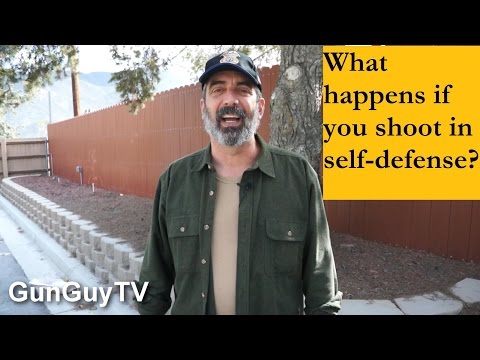
The Second Amendment Fight - in 5 minutes or less (Update #3)

Published on October 6, 2025
Duration: 5:01

Joel Persinger of GunGuyTV provides a concise update on the Second Amendment landscape, focusing on the Wolford v. Lopez case. This case challenges Hawaii's law, which bans firearm carry on private property open to the public unless express permission is granted, a rule often termed the 'vampire rule.' The video explains how this law inverts historical carry norms and its potential impact on similar laws in states like California.

Quick Summary

The Wolford v. Lopez case challenges Hawaii's law banning firearm carry on private property open to the public without express permission, a rule termed the 'vampire rule.' This law inverts historical carry norms, where carry was the default unless forbidden. The case's outcome could impact similar laws in states like California and hinges on whether such restrictions have historical precedent, as required by the Bruen decision.

Chapters

  1. 00:00Introduction & Case Overview
  2. 00:11Wolford v. Lopez Explained
  3. 00:23Hawaii's 'Vampire Rule'
  4. 00:54Ninth Circuit Ruling & Historical Inversion
  5. 01:30Trump Administration's Amicus Brief
  6. 01:58Bruen Decision & Constitutional Challenge
  7. 02:17Potential Supreme Court Outcomes
  8. 02:52Impact on California & Other States
  9. 03:18Consequences of Ruling for Hawaii
  10. 03:47Historical Context of Carry Rights
  11. 04:22Ongoing Legal Battles & Support
  12. 04:46Call to Action & Conclusion

Frequently Asked Questions

What is the Wolford v. Lopez case about?

The Wolford v. Lopez case challenges Hawaii's law that prohibits carrying a firearm on private property open to the public unless the property owner explicitly grants permission, often requiring a sign or verbal invitation. This is sometimes referred to as the 'vampire rule.'

How does Hawaii's 'vampire rule' differ from historical carry practices?

Historically, the default rule allowed citizens to legally carry firearms on private property open to the public unless the owner expressly forbade it. Hawaii's law inverts this, creating a permission-based prohibition and a de facto ban unless invited.

What is the potential impact of the Wolford v. Lopez ruling on other states?

If the Supreme Court rules against Hawaii, similar laws in states like California, which also have restrictions on carry in certain public and private spaces, could be deemed vulnerable and may need to be revised or removed.

Why is the Bruen decision relevant to the Wolford v. Lopez case?

The Bruen decision requires that firearms restrictions must have historical precedent. The argument is that Hawaii's 'vampire rule,' a default no-carry policy unless invited, lacks such historical precedent, making it unconstitutional.

Related News

All News →

More 2nd Amendment & Law Videos You Might Like

More from GunGuyTV

View all →