How to I.D. AR 15, M16 & Mil Spec Bolt Carrier Groups

Published on October 10, 2013
Duration: 12:24

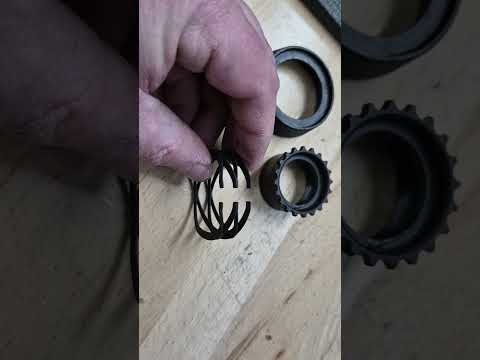
This guide, presented by an instructor with 20 years of AR-15 experience, details how to identify Mil-Spec AR-15 and M16 bolt carrier groups (BCGs). It covers key identification features like the rear shroud cut, explains Mil-Spec criteria (Carpenter 158 steel, Parkerized exterior, chrome-lined interior), and demonstrates proper BCG disassembly, cleaning, and maintenance, including checking gas ring tension and the importance of gas key staking.

Quick Summary

An AR-15 and M16 Bolt Carrier Group (BCG) identification guide highlights key differences: M16 BCGs have a full rear shroud for auto-sear engagement, while AR-15 BCGs have deeper cuts. Mil-Spec criteria include Carpenter 158 steel, HPT/MPI testing, and specific finishes. Proper gas key staking and maintenance, like the 'stand test' for gas rings, are vital for reliability.

Chapters

  1. 00:00Introduction to Bolt Carrier Groups
  2. 00:52Mil-Spec BCG Criteria
  3. 01:42M16 vs. AR-15 BCG Identification
  4. 03:12Colt 'Half Circle' BCG
  5. 04:39Nickel Boron Coated BCGs
  6. 05:23Legality and Staking
  7. 06:43BCG Disassembly and Maintenance
  8. 09:49HPT and MPI Testing

Frequently Asked Questions

What are the key differences between an AR-15 and an M16 bolt carrier group (BCG)?

The primary difference lies in the rear shroud cut. M16 BCGs have a full shroud to engage an auto-sear for full-auto fire, while AR-15 BCGs have deeper cuts to reduce weight and prevent auto-sear engagement, making them safer for semi-automatic use.

What defines a Mil-Spec Bolt Carrier Group?

A Mil-Spec BCG typically requires Carpenter 158 steel, shot-peened bolts, Grade 8 fasteners, a Parkerized exterior finish, and a chrome-lined interior. It should also pass High Pressure Testing (HPT) and Magnetic Particle Inspection (MPI).

Why is proper gas key staking important on an AR-15 BCG?

Proper gas key staking is crucial because it secures the gas key to the bolt carrier, preventing it from loosening due to heat and recoil. A loose gas key can lead to gas leaks and significant operational malfunctions.

What are the benefits of a Nickel Boron coated BCG?

Nickel Boron coatings offer enhanced lubricity and reduced friction, allowing the BCG to operate more smoothly and requiring less lubrication than standard phosphate finishes. They also tend to be easier to clean.

Related News

All News →

More Gunsmithing & DIY Videos You Might Like

More from sootch00

View all →