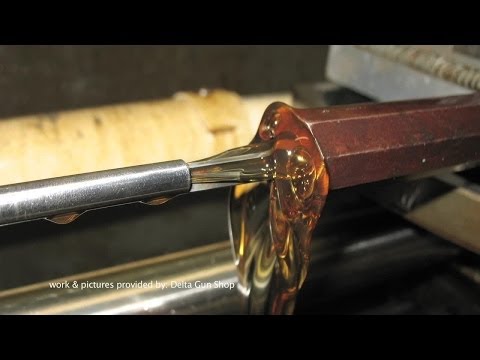
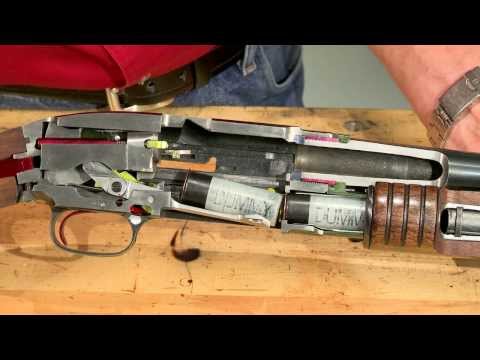
How to Remove Trigger Serrations on a Smith and Wesson Revolver | Smith & Wesson Revolver Project

Published on July 12, 2013
Duration: 1:57

This guide details how to remove trigger serrations on a Smith & Wesson revolver for a smoother double-action pull. Expert instruction covers using a Dremel tool with various attachments, securing the trigger in a vise, and finishing with polishing and cold bluing. The process significantly alters the feel of the double-action trigger for improved shooting experience.


Quick Summary

To remove trigger serrations on a Smith & Wesson revolver, secure the trigger in a padded vise and use a Dremel with a coarse grinding wheel due to case-hardening. Follow up with fine sanding and a Cratex polishing wheel for a mirror finish, then apply cold blue. This modification enhances the double-action pull.

Chapters

  1. 00:09Project Overview
  2. 00:19Rationale for Smooth Trigger
  3. 00:29Trigger Removal
  4. 00:37Securing Trigger
  5. 00:41Grinding Serrations
  6. 00:54Grinding Technique
  7. 01:15Sanding and Radiusing
  8. 01:23Polishing Trigger
  9. 01:32Cold Bluing and Reassembly
  10. 01:48Final Result

Frequently Asked Questions

How do I remove trigger serrations from a Smith & Wesson revolver?

To remove trigger serrations on a Smith & Wesson revolver, first remove the trigger and secure it in a padded vise. Use a Dremel with a coarse grinding wheel to grind off the serrations, then switch to a fine sanding drum and a Cratex polishing wheel for a smooth finish. Finally, apply cold blue for protection.

Why is grinding preferred over filing for removing trigger serrations?

Grinding is preferred over filing for removing trigger serrations on Smith & Wesson revolvers because the triggers are typically case-hardened. This hardening process makes the surface material too tough to be effectively removed by filing, necessitating the use of a grinding wheel.

What tools are needed to remove trigger serrations?

Essential tools for removing trigger serrations include a Dremel rotary tool, a padded vise, a coarse grinding wheel, a fine-grit sanding drum, and a Cratex polishing wheel. Birchwood Casey Perma Blue is used for the final cold bluing step.

What is the benefit of removing trigger serrations?

Removing trigger serrations can significantly improve the feel of a double-action revolver. A smooth trigger face provides a different, often smoother, experience for double-action shooting compared to the texture and potential snagging of serrated triggers.

Related News

All News →

More Gunsmithing & DIY Videos You Might Like

More from MidwayUSA

View all →