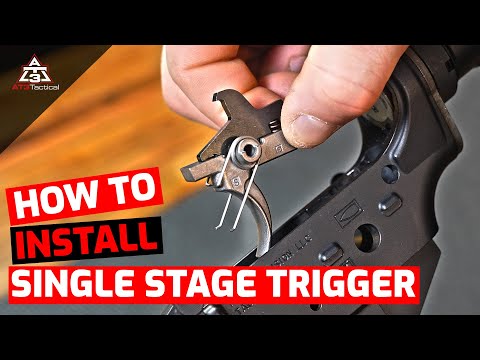
Installation, Gauging, Fitting, Tips, & Tuning of a 3 AR15 Fire Control Groups

Published on April 28, 2019
Duration: 91:36

This comprehensive guide details the installation, gauging, fitting, and tuning of three different AR-15 fire control groups: Geissele SSA-E, LaRue MBT, and a factory trigger. It emphasizes meticulous inspection of all components, proper tool usage (especially brass punches), and thorough fitment checks of pins, bores, and moving parts. The video also covers common pitfalls, troubleshooting binding issues, and performing essential function checks to ensure reliable operation.


Quick Summary

When installing an AR-15 fire control group, meticulously inspect all components for defects, use brass or polymer punches for pin removal, and gauge pin bores with a 0.155-inch gauge. Proper installation of the hammer spring, ensuring tension when laid flat, is crucial to prevent light strikes and hammer follow. Always perform a function check to confirm safety engagement, trigger pull, and proper reset.

Frequently Asked Questions

What are the key components of an AR-15 fire control group?

An AR-15 fire control group typically includes the trigger, hammer, disconnect, trigger spring, hammer spring, and trigger and hammer pins. These parts work together to initiate the firing sequence when the trigger is pulled.

How can I check if my AR-15 fire control group parts are magnetic?

To check for magnetism, use a small washer and a magnet. Hold the magnet near the fire control group parts; if the washer is attracted to the part, it indicates magnetism, which can attract debris.

What is the recommended 'go' gauge size for AR-15 trigger and hammer pin bores?

The standard 'go' gauge size for AR-15 trigger and hammer pin bores is 0.155 inches. This ensures the bores are not undersized and will allow the pins to pass through freely without binding.

What are common mistakes to avoid when installing an AR-15 hammer spring?

A common mistake is installing the hammer spring backward, resulting in no tension when laid flat. This can lead to light strikes, hammer follow, or trigger pins walking out due to insufficient retention.

How do I perform a basic safety function check on an AR-15 after installing a new fire control group?

After installation, ensure the firearm is unloaded. Cock the hammer, place the safety on 'safe,' and pull the trigger; the hammer should not drop. Then, place the safety on 'fire,' pull the trigger, and the hammer should fall. Slowly release the trigger to check for proper reset.

More Gunsmithing & DIY Videos You Might Like

More from School of the American Rifle

View all →