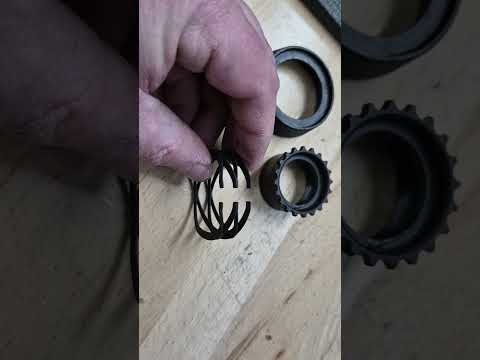
The Good, the Bad, & the Ugly - AR-15 Carrier Keys

Published on December 28, 2024
Duration: 7:10

This guide details the inspection and preparation of AR-15 carrier keys, emphasizing critical dimensions, surface trueness, and internal finish. Proper gauging, stoning the bottom for a flat seal, and polishing the funnel improve gas system efficiency and longevity. The instructor highlights the importance of a good seal to prevent gas blow-by and wear on the gas tube.

Quick Summary

Proper AR-15 carrier key inspection involves checking inside dimensions for binding issues and the bottom surface for flatness to ensure a good seal against the bolt carrier. Polishing the internal mouth creates a smooth funnel for the gas tube, reducing wear. Using a hard sealant like Loctite 620 further prevents gas blow-by and improves system efficiency.

Chapters

  1. 00:01Introduction to Carrier Keys
  2. 00:14Carrier Key Gauging and Dimensions
  3. 00:33Carrier Key Fit to Bolt Carrier
  4. 01:10Bottom Surface Flatness Inspection
  5. 02:04Sealant Use and Failure Points
  6. 03:00Stoning for a True Surface
  7. 03:27Internal Mouth Inspection
  8. 04:32Polishing the Carrier Key Mouth
  9. 05:00Gas Tube Funnel Importance
  10. 05:36Benefits of Proper Setup
  11. 06:06Available Products and Rejects
  12. 06:40Rough Cast Carrier Keys
  13. 07:05Conclusion and Educational Intent

Frequently Asked Questions

What are the critical dimensions to check on an AR-15 carrier key?

You must check the inside dimension of the carrier key for proper fit on the gas tube. Undersized keys can bind, causing wear and leaks. Oversized keys are also rejected. The bottom surface should also be inspected for flatness to ensure a good seal against the bolt carrier.

Why is the flatness of the bottom of an AR-15 carrier key important?

The bottom of the carrier key mates with the bolt carrier. If this surface isn't flat, it can lead to gas blow-by or leakage. Stoning the bottom to create a true, flat surface improves the seal, especially when sealant is applied.

How can rough machining inside an AR-15 carrier key cause problems?

Rough machining marks inside the carrier key's mouth can wear down the gas tube faster. Since the carrier key's finish is usually harder than the gas tube, these rough surfaces act abrasively, leading to premature wear and potential gas leaks.

What is the purpose of polishing the mouth of an AR-15 carrier key?

Polishing the carrier key's mouth creates a smooth, generous funnel. This helps the beveled end of the gas tube easily find its seating as the system operates. A smoother transition reduces wear on the gas tube and contributes to a more efficient gas system.

What type of sealant is recommended for AR-15 carrier keys, and why?

The instructor recommends a harder sealant like Loctite 620, which hardens and is less prone to blowing out compared to softer, rubber-like sealants. This provides a more durable seal against gas blow-by, especially if the carrier key fit isn't perfect.

Related News

All News →

More Gunsmithing & DIY Videos You Might Like

More from School of the American Rifle

View all →