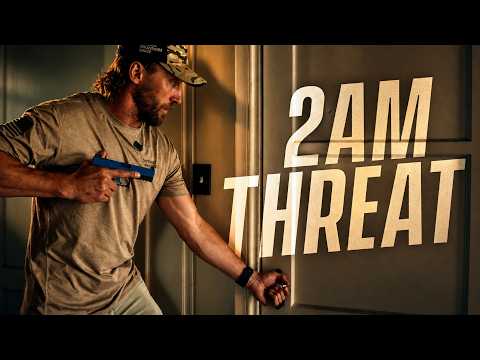
Carjacked in the Parking Lot!

Published on October 4, 2024
Duration: 17:38

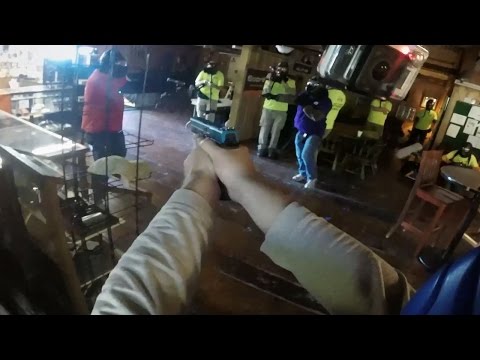
This video simulates a carjacking scenario, emphasizing the importance of rapid threat assessment, effective use of cover, and tactical movement. Instructor John Korea analyzes participant Joe's actions, highlighting decision-making under duress, particularly concerning the presence of a loved one in the vehicle. Key takeaways include prioritizing human life over property, understanding firing angles to minimize collateral damage, and the benefits of dynamic repositioning when engaging threats.


Quick Summary

In a carjacking scenario, the priority is always human life over property. Effective self-defense involves rapid threat assessment, utilizing cover, tactical movement, and careful consideration of firing angles to avoid collateral damage. Training is crucial to manage adrenaline and make sound decisions under duress.

Chapters

  1. 00:00Introduction to Firstperson Defender
  2. 00:10Scenario Setup: Carjacking Simulation
  3. 01:11Joe's Initial Response to Carjacking
  4. 02:03Post-Engagement Actions and Assessment
  5. 02:40Interview with Joe: Emotional and Physical State
  6. 03:00Joe Recounts the Carjacking Event
  7. 03:37Decision to Shoot: Threat Assessment
  8. 04:05Firing Angle Considerations
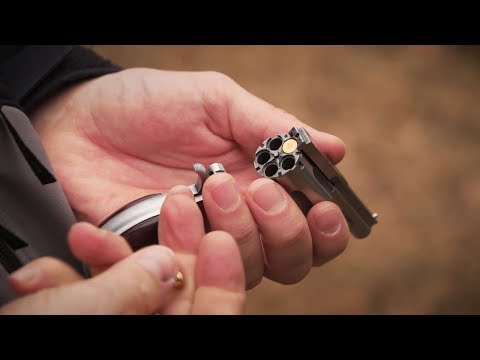
  9. 05:27Firearm Showcase: HK VP9 SK
  10. 06:11Instructor Analysis: Key Takeaways
  11. 07:07Training Point: Firing Angles and Cover
  12. 08:12Tactical Movement and Repositioning
  13. 10:25Gear Spotlight: Crimson Trace Lights
  14. 10:51Advanced Firing Angle Techniques
  15. 12:04Firearm Showcase: HK 416 in .22 LR
  16. 13:01Second Scenario: Accomplice Present
  17. 13:27Joe's Response to Second Scenario
  18. 14:11Joe's Interview: Second Scenario Reflections
  19. 15:33Question: Hands Up Suspect
  20. 16:04Analysis of Memory and Stress
  21. 16:29Summary of Joe's Performance
  22. 17:26Where to Find More Gun Talk Content

Frequently Asked Questions

What are the key self-defense principles demonstrated in the carjacking simulation?

The simulation highlights prioritizing human life over property, effective use of cover, tactical movement, and careful consideration of firing angles to avoid collateral damage. It also emphasizes the importance of securing loved ones and moving to safety after an incident.

How does changing elevation impact shooting angles in a self-defense scenario?

Changing elevation, such as dropping to a knee, can significantly alter your firing angle. This can be crucial for achieving better shot placement on a target or for creating a safer trajectory if you need to miss, ensuring rounds don't endanger innocent individuals behind the threat.

Why is it important to avoid touching a downed suspect in a self-defense situation?

Touching a downed suspect, even if they appear deceased, can be a safety risk. It's generally advised to secure the scene, ensure no further threats exist, and then disengage and call for emergency services. This also preserves the integrity of the scene for law enforcement.

What is the role of adrenaline in a self-defense encounter?

Adrenaline significantly impacts a person's physiological state during a high-stress event like a self-defense encounter. It causes elevated heart rate and respiration, which can affect cognitive function and the ability to process information accurately, making training and preparation vital.

Related News

All News →

More Self Defense Videos You Might Like

More from Gun Talk Media

View all →