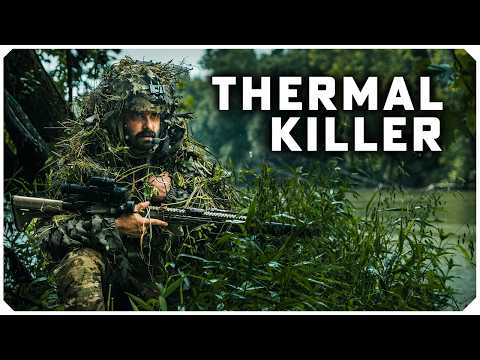
Essential Sniper Stalking Gear with Navy SEAL Toshiro "Tosh" Carrington

Published on December 8, 2021
Duration: 11:23

This video provides detailed insights into the essential gear and its strategic placement for sniper stalking, presented by former Navy SEAL sniper instructor Toshiro "Tosh" Carrington. Key takeaways include the importance of accessible pruning shears for vegetation manipulation, using a monocular for constant observation, and employing a compass for navigation. Tosh emphasizes the critical nature of the ghillie hat and offers practical advice on using items like rubber bands and zip ties for camouflage enhancement and field expediency. The instruction highlights how proper gear management directly contributes to successful stalking and maintaining concealment.

Quick Summary

Former Navy SEAL sniper instructor Tosh Carrington emphasizes strategic gear placement for effective sniper stalking. Key items like pruning shears and monoculars should be highly accessible, while the ghillie hat is deemed the most critical piece of camouflage. Utilizing a compass for navigation and rubber bands for immediate vegetation attachment are also highlighted as essential fieldcraft techniques.

Chapters

  1. 00:00Introduction to Sniper Stalking Gear
  2. 00:25Pruning Shears for Vegetation Fans
  3. 00:56Monocular for Observation and Perspective
  4. 01:56Notepad for Field Notes and Reconnaissance
  5. 02:35Rubber Bands for Ghillie Suit Vegging
  6. 03:06Gloves for Terrain Protection
  7. 03:19Extra Bipod and Camouflage Paint
  8. 03:36Multi-tool Utility and Repair
  9. 04:05Extra Netting for Bushcraft
  10. 04:24Backpack Essentials and Weapon Systems
  11. 04:53Elbow Pads and Tree Rests
  12. 05:28Ghillie Hat Importance
  13. 05:58Tripod for Stable Shooting Platforms
  14. 06:18Hydration: Camelbacks and Water Management
  15. 07:21Compass for Navigation and Bearings
  16. 09:26Rubber Bands and Zip Ties for Field Use
  17. 10:44Conclusion and Next Steps

Frequently Asked Questions

What are the most critical gear items for sniper stalking?

The most critical gear items for sniper stalking include pruning shears for vegetation manipulation, a monocular for observation, a compass for navigation, and a ghillie hat for concealment. Proper placement and accessibility of these items are paramount for effective fieldcraft and maintaining operational security.

How should a sniper instructor recommend placing essential gear for a stalk?

A former Navy SEAL sniper instructor recommends placing frequently used items like pruning shears and a monocular in easily accessible pouches. Items like rubber bands should be kept on the wrist for immediate use, while critical items like a spare ghillie hat should be stored securely in a backpack.

What is the primary function of pruning shears in sniper stalking?

Pruning shears are primarily used to create 'veg fans' by cutting vegetation, allowing snipers to blend their ghillie suit with the natural environment. They are also used to clear small branches or brush for establishing a firing position without causing excessive noise or disturbance.

Why is a compass considered crucial for sniper stalking?

A compass is crucial for sniper stalking as it allows the operator to take precise bearings on the objective and background landmarks. This helps maintain a consistent direction of travel, prevents disorientation, and ensures the sniper doesn't deviate from the planned route, especially when visual cues are limited.

What is the significance of the ghillie hat in sniper stalking?

The ghillie hat is considered the most important piece of ghillie equipment because the head is the most exposed part of the body. Maintaining effective camouflage for the head is vital to avoid detection, making the ghillie hat a non-negotiable element for successful concealment during a stalk.

Related News

All News →

More Tactical & Gear Videos You Might Like

More from Tactical Hyve

View all →