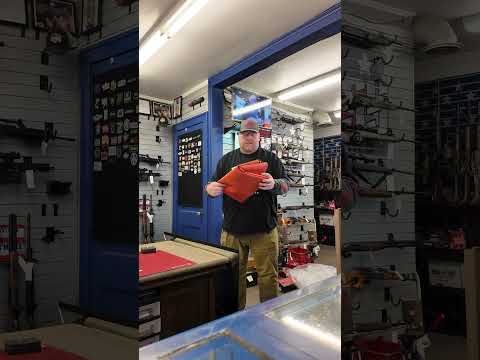
How To Make A Ghillie Hat With Navy SEAL "Tosh"

Published on July 6, 2022
Duration: 21:33

This guide details how to construct a ghillie hat, emphasizing both traditional methods using jute and burlap, and more expedient techniques involving artificial vegetation. The process involves preparing a base hat, attaching filler materials like jute or fake plants, and then adding natural vegetation for enhanced camouflage. Key steps include managing material length, breaking up shine with matte paint, and ensuring comprehensive coverage of the hat's surface. The video highlights the importance of the ghillie hat as a crucial element of a ghillie setup for concealment in sniper hides or during tactical operations.

Quick Summary

Navy SEAL 'Tosh' from Tactical Hyve demonstrates how to construct a ghillie hat, blending traditional jute methods with modern techniques using artificial vegetation. He explains how to attach filler materials, mitigate 'ghillie glow' with matte paint, and use the hat's tail for added concealment in a sniper hide. The video emphasizes the ghillie hat's critical role in camouflage and offers practical advice for efficient construction.

Chapters

  1. 00:00Introduction to Ghillie Hats
  2. 00:06Old School Methods vs. Expedient Ways
  3. 00:17Tosh's Personal Ghillie Hat
  4. 00:30Importance of the Ghillie Hat
  5. 00:46Examining an Old Ghillie Hat
  6. 01:07Starting Construction
  7. 01:14Tactical Tailor Baseline Hat
  8. 01:24DIY Hat Options (Floppy, Cowboy, Ball Cap)
  9. 01:44Attaching Mesh with Shoe Goo or Stitching
  10. 02:13Pre-work on Tactical Tailor Hat
  11. 02:33Mesh Length Considerations
  12. 03:04Old Method: Using Jute
  13. 03:13Jute as Filler, Not Camouflage
  14. 03:33The 'Ghillie Glow' Problem
  15. 03:56Mitigating Ghillie Glow (Spray Paint, Mud)
  16. 04:24Old School Methods: Sandbags and Burlap
  17. 04:46Purchasing Jute
  18. 05:07Using Twine as an Alternative
  19. 05:14Separating Strands is Key
  20. 05:24Easier Old School Method (Strips + Brush)
  21. 05:54True Ghillie with Jute and Burlap
  22. 06:15Ways to Tie Jute to the Hat
  23. 06:47Girth Hitching Method
  24. 07:32Brushing and Wetting Jute
  25. 08:04Shine and Glow of Jute
  26. 08:33Hobby Store Finds: Fake Plants
  27. 08:47Pre-fab Veg Fans
  28. 09:06Using Artificial Vegetation
  29. 09:22Benefits of Artificial Veg (Less Trace)
  30. 09:41Where to Find Artificial Veg (Hobby Lobby, Michaels)
  31. 09:51Sage-like Artificial Plant
  32. 10:04Color and Shape Considerations
  33. 10:16Using Fake Plant as Filler
  34. 10:26Artificial Veg Doesn't Die
  35. 10:44Combining Real and Artificial Veg
  36. 11:06Faster Construction with Artificial Veg
  37. 11:31Avoiding the 'Wookiee Head' Look
  38. 11:44Quicker and Easier Method
  39. 12:02Preparing Artificial Veg Pieces
  40. 12:17Starting from the Front and Periphery
  41. 12:31Filling the Crown and Tail
  42. 13:05Using the Mesh for Attachment
  43. 13:23Mixing Vegetation Types
  44. 13:45Focus on Texture
  45. 14:44Base Construction Complete
  46. 15:01Completing Crown and Tail
  47. 15:36Shorter Pieces for the Front
  48. 15:49Mesh on Top Part of Hat (Lack Thereof)
  49. 16:08Covering the 'Bald Spot'
  50. 16:22Addressing Shine on the Band
  51. 16:45The '70% Solution' with Artificial Veg
  52. 17:05Running the Hat in a Hide
  53. 17:27Laying Hat Over the Scope
  54. 17:32Purpose of the Tail
  55. 17:50Environmental Suitability (High Desert)
  56. 18:02Painting the Ghillie Hat
  57. 18:10Spray Paint Colors (Nutmeg, Satin Eden, Warm Caramel)
  58. 18:47Applying Tan Paint (Nutmeg)
  59. 19:24Finished and Painted Ghillie Hat
  60. 19:29Ghillie Hat in the Hide
  61. 19:35Quick Vegging Up with Fake Plants
  62. 19:55Importance of Good Rubber Bands
  63. 20:02Natural Veg as the Primary Camouflage
  64. 20:26Artificial Veg as a Good Solution
  65. 20:42Conclusion: Making a Ghillie Hat
  66. 20:50Alternative: Pre-made Ghillie Suits
  67. 21:15DIY vs. Purchased Ghillie Gear
  68. 21:19Call to Action (Comment, Thumbs Up)

Frequently Asked Questions

What are the main methods for constructing a ghillie hat?

Ghillie hats can be constructed using traditional methods with jute or burlap, which involves separating fibers and tying them to a mesh base. A more expedient method uses artificial vegetation from craft stores, which significantly reduces construction time and maintenance, though natural vegetation is still recommended for optimal concealment.

How can the 'ghillie glow' from jute be mitigated?

The 'ghillie glow,' or shine from jute, can be reduced by applying matte spray paint in camouflage colors to dull the material. Alternatively, intentionally muddied jute can also help break up the shine, though this is less permanent than paint.

What are the advantages of using artificial vegetation for ghillie hats?

Artificial vegetation offers several advantages, including significantly faster construction time, reduced need to gather natural materials in the field, and the fact that it does not wilt in hot environments. It serves as an effective filler that can be combined with natural vegetation.

Where can one find materials for making a ghillie hat?

Materials like jute and twine can be found at hardware stores, surplus stores, or online retailers such as Optics Planet. Artificial vegetation, often resembling sage, can be purchased from craft stores like Hobby Lobby or Michaels. A base hat can be a Tactical Tailor baseline ghillie hat or any suitable hat like a floppy or ball cap.

Related News

All News β†’

More Tactical & Gear Videos You Might Like

More from Tactical Hyve

View all β†’