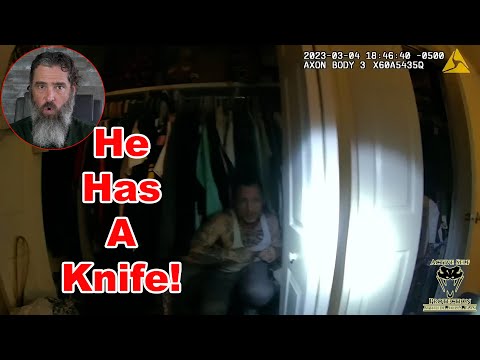
LAPD Use TASER and Handgun On Perp Simultaneously

Published on December 24, 2021
Duration: 11:24

This video analyzes a critical incident where LAPD officers responded to a mental health crisis involving an armed suspect. Instructor John Correia, with high authority and expertise in evidence-based defensive training, breaks down the tactical decision-making. The analysis highlights the simultaneous deployment of a TASER and a 9mm handgun, emphasizing the coordination required between officers using lethal and less-lethal options during a high-stress confrontation. Lessons learned focus on force coordination, suspect identification, and communication under duress.

Quick Summary

Expert analysis from Active Self Protection details an LAPD incident where officers simultaneously deployed a TASER and a 9mm handgun against a suspect armed with knives. The breakdown covers tactical coordination, the effectiveness of dual-probe TASER deployment for neuromuscular incapacitation, and the importance of communication during high-stress use-of-force situations.

Chapters

  1. 00:00Introduction and Sponsorship
  2. 00:50Incident Background
  3. 01:44Initial Contact and Confrontation
  4. 02:57Simultaneous Use of Force
  5. 04:03Outcome and Charges
  6. 04:23Tactical Analysis: De-escalation and Response
  7. 05:42Tactical Analysis: Force Coordination
  8. 07:09Technical Breakdown: Shooting and TASER Deployment
  9. 08:52Final Lessons and Skill Assessment

Frequently Asked Questions

How did officers use a TASER and handgun simultaneously in the LAPD incident?

Officers responded to a suspect armed with knives. As the suspect charged, one officer deployed a TASER for neuromuscular incapacitation, while another officer fired their handgun to neutralize the immediate lethal threat, demonstrating coordinated use of force.

What are the key tactical considerations when deploying both a TASER and a handgun?

Key considerations include precise timing, clear communication between officers, aiming points for both devices (TASER probes on torso, handgun for threat neutralization), and awareness of the suspect's actions and environment to ensure officer safety and effectiveness.

What was the outcome of the incident involving the TASER and handgun deployment?

The suspect survived a non-life-threatening gunshot wound and was incapacitated by the TASER, allowing officers to take him into custody. He faced charges including aggravated assault and attempted murder of a police officer.

Why is coordination crucial when using lethal and less-lethal force concurrently?

Coordination is vital to ensure one officer's action (e.g., TASER deployment) supports the other's (e.g., handgun engagement) without interference. This maximizes incapacitation potential while minimizing risks like accidental discharge or missed shots due to distraction.

Related News

All News →

More Tactical & Gear Videos You Might Like

More from Active Self Protection

View all →