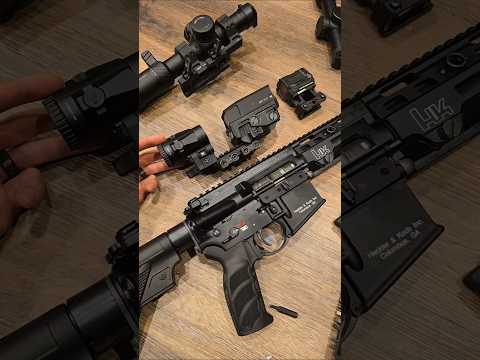
Unity 2.26, Practical or Tacticool?

Published on February 24, 2023
Duration: 13:29

This guide assesses the Unity 2.26 Riser Mount, a controversial accessory that raises optics to 2.26 inches above the rail. The speaker, an experienced firearms instructor, details personal testing with over 1000 rounds and analyzes its pros and cons, including benefits for CQB, night vision, and specific body types, while also highlighting drawbacks like potential recoil management issues and magnifier integration challenges. The assessment emphasizes that its utility is highly dependent on individual needs and use cases, cautioning against adopting it purely as a trend.

Quick Summary

The Unity 2.26 Riser Mount raises optics to 2.26 inches, offering potential ergonomic benefits for CQB and night vision, such as a heads-up posture and improved scanning. However, it can compromise cheek weld and recoil management, and flip-to-center magnifiers are less ideal for long range. Its utility is niche, and may not suit typical civilian needs.

Chapters

  1. 00:00Introduction to Unity Riser Mount
  2. 00:44Personal Testing and Experience
  3. 01:23Gear Disclaimer and Nuance
  4. 02:01Debunking Common Arguments: Height Over Bore
  5. 03:13Debunking Common Arguments: CQB Speed
  6. 03:47Intuitive Aiming and CQB
  7. 04:27Magnifier Integration and Downsides
  8. 05:46Magnifier Use Cases and Trade-offs
  9. 06:25Recoil Management and Cheek Weld Issues
  10. 07:03Competition Use as Indicator
  11. 07:37Summary of Unity Mount Pros and Cons
  12. 08:40Night Vision and High Mounts
  13. 09:53Civilian vs. Military/LE Use Cases
  14. 10:31Comfort vs. Optimization
  15. 11:09Individual Assessment and Recommendations
  16. 12:04Advocates and Niche Use Cases
  17. 12:23Market Clues and Final Thoughts
  18. 12:38Outro and Build Information

Frequently Asked Questions

What is the main controversy surrounding the Unity 2.26 Riser Mount?

The Unity 2.26 Riser Mount is controversial because it raises optics significantly higher (2.26 inches) than standard mounts. Opinions are divided between those who find it beneficial for specific uses like CQB or night vision, and those who view it as an unnecessary trend that may compromise fundamental shooting principles.

What are the potential benefits of using a Unity 2.26 Riser Mount?

The Unity 2.26 mount can offer benefits such as a more heads-up shooting posture, improved scanning ability, and better ergonomics for certain body types. It is particularly advantageous for night vision operations, especially passive aiming, by providing a more stable platform and preventing optic impact during recoil.

What are the drawbacks of the Unity 2.26 Riser Mount?

Drawbacks include potential difficulties in achieving a proper cheek weld, which can negatively affect recoil management and perceived recoil. Flip-to-center magnifiers, often used with these mounts, are less ideal for long-range shooting compared to flip-to-side designs.

Is the Unity 2.26 Riser Mount suitable for civilian use?

For most civilians, the performance gains might not outweigh the trade-offs. The mount's primary advantages are geared towards CQB and night vision applications, which may not align with typical civilian threat profiles or use cases.

Related News

All News →

More Tactical & Gear Videos You Might Like

More from Brass Facts

View all →