What’s On My Duty Belt?

Published on February 16, 2026
Duration: 15:48

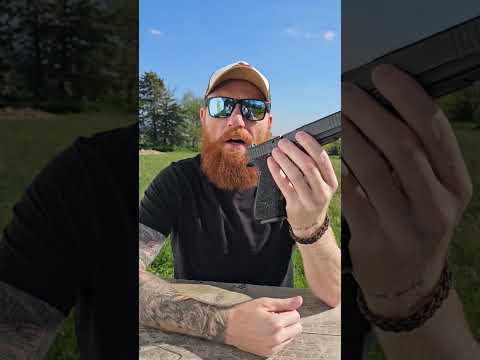
Instructor Mike details his former police duty belt setup, emphasizing strategic placement of essential gear for efficient and safe deployment. He highlights the importance of holster retention, natural magazine indexing, inward-facing handcuffs for rapid application, and support-side taser and baton carry to maintain firearm access. The guide stresses avoiding the small of the back for equipment and using belt keepers for gear security.


Quick Summary

Instructor Mike's duty belt setup prioritizes safety and efficiency, featuring a Safari Land Level 4 holster, inward-facing ASP handcuffs for rapid deployment, and support-side carry for taser and baton. He stresses avoiding the small of the back for gear and using belt keepers for security.

Chapters

  1. 00:00Introduction & Duty Belt Overview
  2. 00:26Safari Land Holster & Magazine Pouches
  3. 00:37Level 4 Holster Retention Explained
  4. 01:39ASP Training Cuffs & Instructor Credentials
  5. 01:57Safari Land Duty Belt & Mag Holder Design
  6. 03:35Taser & Handcuff Placement Strategy
  7. 03:54ASP Flashlight Features & Use
  8. 05:02Radio, Baton Placement & Crossdraw Discussion
  9. 06:15Support Side Carry Rationale
  10. 06:47ASP Baton Features & Deployment
  11. 07:43Belt Keepers & Baton Interference Prevention
  12. 08:01Firearm Deployment Practice
  13. 08:11Holster Retention System Breakdown
  14. 08:44Avoiding Gear on the Small of the Back
  15. 09:12Illinois State Police Influence
  16. 10:10Handcuff Positioning for Rapid Deployment
  17. 11:35Stress Inoculation & Training Importance
  18. 12:36Duty Belt Setup Matters
  19. 13:02Duty Belt Buckle Safety Mechanism
  20. 13:52Belt Keepers & Gear Security
  21. 15:08Conclusion & Outro

Frequently Asked Questions

What are the key components of Instructor Mike's duty belt setup?

Instructor Mike's duty belt includes a Safari Land Level 4 holster for his CZ P10, Safari Land magazine pouches, ASP training handcuffs positioned with the single blade inward, an ASP Triad flashlight, and an ASP baton carried on the support side.

Why does Instructor Mike recommend inward-facing handcuffs?

Positioning handcuffs with the single blade inward ensures they are ready for immediate deployment, especially under stress. This orientation allows for quicker application of the first cuff, which is crucial during an arrest.

What is the importance of not placing gear on the small of the back?

Placing equipment on the small of the back can cause injury if the wearer falls backward. Instructor Mike learned this from Illinois State Police and emphasizes keeping this area clear for safety and the ability to recover quickly.

What makes Instructor Mike's preferred holster a Level 4 retention device?

The Safari Land holster is Level 4 due to its multiple retention features: the hood, the SLS rotating hood, the Sentry lock, and the ALS locking system, all designed to prevent unauthorized firearm access.

How does Instructor Mike ensure his duty belt gear stays secure?

Instructor Mike uses belt keepers at critical points on his duty belt to secure equipment like the firearm, magazines, and baton. This prevents gear from shifting or dislodging during dynamic movements or physical altercations.

More Tactical & Gear Videos You Might Like

More from Instructor Mike

View all →