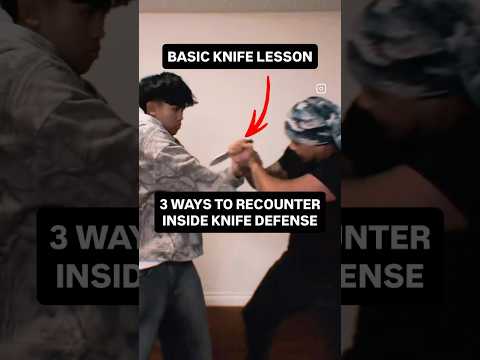
Filipino Martial Arts Knife Training Explained!

This video explains how to integrate knife switching mechanics (forward and reverse grips) into existing Filipino Martial Arts flow drills like Sabayan. It emphasizes using these drills as an intermediary step before pressure testing, allowing for mindful repetition, speed infusion to find failure points, and the optional layering of techniques like disarms. The instruction is based on teachings by Tuhan John Franken.


Quick Summary

Filipino Martial Arts knife switching can be improved by integrating it into flow drills like Sabayan. This allows for consistent practice of transitions between forward and reverse grips, and helps identify points of failure when speed is gradually increased before pressure testing.

Chapters

  1. 00:01Introduction to Knife Switching Mechanics
  2. 00:16Pressure Testing and Training Protocols
  3. 00:27Integrating into Flow Drills (Sabayan)
  4. 00:41Executing Knife Switches in Sabayan
  5. 01:00Backhand and Angle One Techniques
  6. 01:14Infusing Speed and Finding Failure Points
  7. 01:36Layering in Disarm Elements
  8. 01:52Conceptual Disarm vs. Practical Application
  9. 02:01Disarm Technique: Outside Control
  10. 02:20Ryan's Turn for Disarm Practice
  11. 02:41Adding Footwork and Repetition
  12. 02:50Intermediary Training Phase Benefits
  13. 03:06Further Learning Resources

Frequently Asked Questions

How can I improve my knife switching skills in Filipino Martial Arts?

You can improve knife switching by integrating it into flow drills like Sabayan. This allows for consistent practice of transitions between forward and reverse grips, and helps identify points of failure when speed is gradually increased.

What is Sabayan in FMA training?

Sabayan is a flow drill commonly used in Filipino Martial Arts. It provides a dynamic platform to practice various techniques, including knife switching, and serves as an intermediary step before pressure testing more complex scenarios.

How do I prepare for pressure testing my knife fighting skills?

Before pressure testing, engage in intermediary training phases. Practice knife switching within flow drills, gradually increasing speed to find your limits. You can also layer in conceptual techniques like disarms to build a more comprehensive skill set.

Where can I learn more about Filipino Martial Arts knife training?

You can learn more by visiting www.pikiti.university or following Tuhan John on Instagram. The Pikiti Tersia Tactical Association also shares content on Instagram for those interested in FMA.

Related News

All News →

More Training & Techniques Videos You Might Like

More from Funker Tactical - Fight Training Videos

View all →