FUNDAMENTAL OPERATOR

Published on February 15, 2023
Duration: 5:37

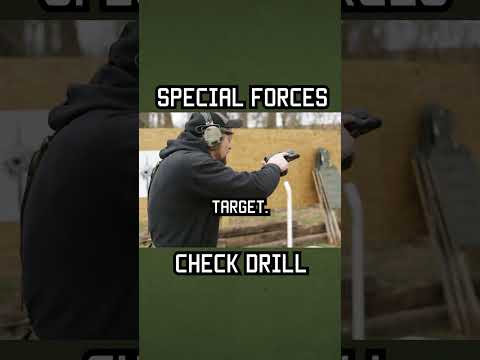
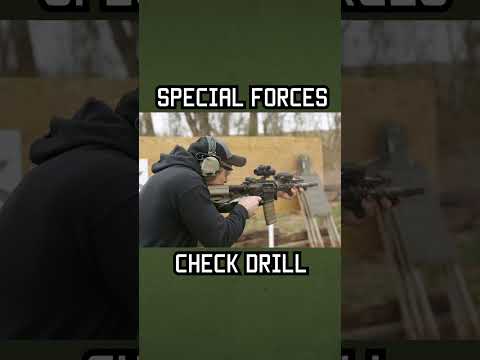
This video demonstrates efficient techniques for transitioning from a malfunctioning firearm to a secondary weapon or performing a tactical reload. The instructor emphasizes speed and economy of motion, highlighting how to quickly disengage from a disabled firearm and re-engage with a functional one, even under stress. The importance of a controlled recovery process, especially in low-light conditions, is also stressed.


Quick Summary

Learn efficient firearm malfunction transition techniques from Achilles Heel Tactical. The instructor emphasizes that transitioning to a secondary weapon or reloading is often faster than clearing a malfunction. Key techniques include immediate support hand separation, guiding the firearm down, and driving the support elbow to facilitate a smooth transition, especially crucial in dynamic or low-light scenarios.

Chapters

  1. 00:00Introduction & Music
  2. 00:30Gunshots & Music
  3. 01:29Transitioning Faster Than Reloading
  4. 01:52Economy of Motion in Transitions
  5. 02:07Breaking Down the Transition Process
  6. 02:15Support Hand Separation & Guidance
  7. 02:24Muzzle Clearance and Driving Out
  8. 02:31Importance of Recovery Process
  9. 02:37Low-Light Malfunction Recovery
  10. 02:52Tactical Reload with Time & Cover
  11. 03:12Identifying Malfunctions Safely
  12. 03:18Reloading in the Pocket
  13. 03:24Gun Firing & Music
  14. 03:55Moving and Working Transitions
  15. 04:01Don't Freeze Up During Malfunctions
  16. 04:05Laser Ready & Move
  17. 04:16Reloading on the Move
  18. 04:25Continuous Firing & Music

Frequently Asked Questions

What is the primary indicator of a firearm malfunction that requires immediate action?

The primary indicator of a firearm malfunction requiring immediate action is feeling 'light and reduced recoil' during firing. This sensation signals that the firearm may not be cycling properly and a transition or reload is necessary.

How should the support hand be used during a firearm malfunction transition?

During a malfunction transition, the support hand immediately separates from the firearm and guides it down and away. As the muzzle clears the holster, the support elbow drives down to meet the hands, facilitating a smooth transition to the next action.

When is it advisable to attempt to clear a malfunction versus transitioning to a secondary weapon?

The instructor suggests that transitioning is often faster than clearing a malfunction. However, if sufficient time, cover, and concealment are available, one can safely hold the firearm clear, identify the issue, perform a tactical reload, and then re-engage.

Why is the recovery process important after a malfunction transition, especially in low light?

The recovery process is critical for re-acquiring a target and re-engaging effectively. In low-light conditions, it's vital to be able to use a light to identify the ejection port and confirm the firearm is ready, or to complete a reload.

More Training & Techniques Videos You Might Like

More from Achilles Heel Tactical

View all →