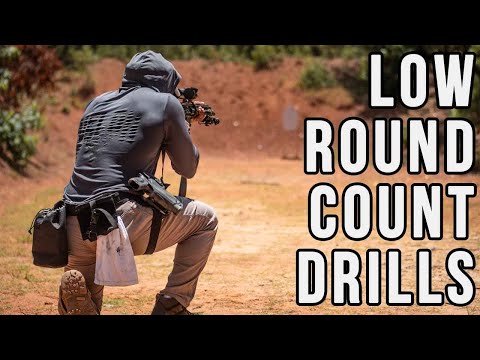
How to Shoot Difficult Targets More Effectively

Published on June 16, 2026
Duration: 17:37

This guide, drawing from the expertise of Joel Park, focuses on improving accuracy when engaging difficult targets like tuxedos, no-shoots, and poppers. It emphasizes prioritizing accuracy over speed, developing proper target confirmation techniques based on distance and target type, and the importance of disciplined trigger control. The instruction highlights the need for deliberate practice on challenging presentations and understanding subconscious cues for effective shot calling.


Quick Summary

To improve accuracy on difficult targets, prioritize hitting the center over speed. Develop discipline to wait for sights to settle before pressing the trigger. Practice specific confirmation levels for different targets and distances, and deliberately work on your weaknesses. Effective shot calling relies on subconscious cues like grip feel and sight movement.

Chapters

  1. 00:00Listener Question: Difficult Targets
  2. 00:41Shooting Difficult Targets: Big Picture
  3. 01:29Discipline: Accuracy Over Speed
  4. 02:34Target Confirmation Levels
  5. 03:07Focusing on Target: Head vs. Chest
  6. 03:45Practice Drills for Confirmation
  7. 04:59Identifying Weaknesses in Practice
  8. 06:16Target Presentation & Skill Stacking
  9. 07:36Confirmation Levels & Shooter Ability
  10. 08:01Practicing What You're Not Good At
  11. 09:13How to Call Your Shots
  12. 10:15Shot Calling: Feel & Visuals
  13. 10:57When to Send More Ammo
  14. 11:28Final Thoughts & Practice Advice

Frequently Asked Questions

How can I improve my accuracy on difficult shooting targets like tuxedos or no-shoots?

To improve accuracy on difficult targets, prioritize hitting the center of the target over speed. Develop discipline to wait for your sights to settle before pressing the trigger. Practice specific confirmation levels for different target types and distances, and deliberately work on your weaknesses rather than just your strengths.

What is target confirmation in firearms training?

Target confirmation is the shooter's process of visually verifying correct sight alignment on the intended point of aim before and during the trigger press. The required level of confirmation varies based on target difficulty and distance, with more challenging targets demanding a more precise and patient confirmation process.

How do I know if I should take a follow-up shot on a difficult target?

You can often tell if a shot was good by paying attention to subconscious cues like the feel of the grip during the trigger press and how the sights lift. If something feels 'fishy' or visually incorrect, it's often wise to send another round to ensure a good hit, especially on difficult targets.

Should I practice the shooting skills I'm good at or the ones I struggle with?

It's more beneficial to focus your practice on the shooting skills you struggle with, such as difficult targets or shooting on the move, rather than solely on what you're already proficient at. Deliberately practicing your weaknesses leads to more significant overall improvement.

More Training & Techniques Videos You Might Like

More from Joel Park

View all →