Shooting Schemes

Published on May 19, 2025
Duration: 2:56

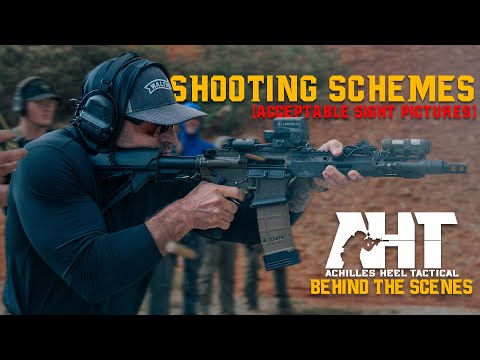
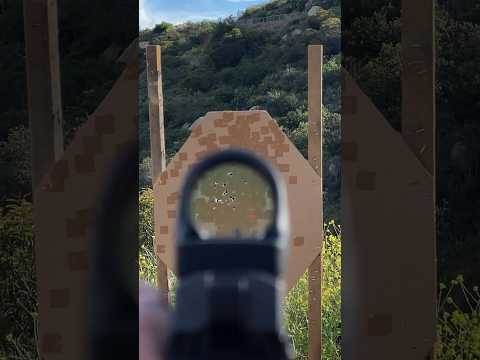
This video introduces the concept of 'shooting schemes' or 'confirmation levels' in firearms training, moving beyond the traditional 'acceptable sight picture.' It explains that different levels of visual information from the sight (dot or front sight) can grant permission to press the trigger, allowing for faster shooting without sacrificing accuracy. The core idea is to match the confirmation level to target difficulty, distance, and shooter skill to optimize performance and get ahead of the 'power curve.'

Quick Summary

Shooting schemes, or confirmation levels, provide specific visual cues from your sight that grant permission to press the trigger. Unlike the traditional 'acceptable sight picture,' these levels are adjusted based on target difficulty, distance, and skill, allowing for faster shooting without compromising accuracy by avoiding unnecessary overconfirmation.

Chapters

  1. 00:00Introduction to Shooting Schemes
  2. 00:12Traditional Trigger Press Permission
  3. 00:42Competition Confirmation Levels
  4. 01:45Max Confirmation vs. Overconfirming
  5. 02:30Reasons for Overconfirmation

Frequently Asked Questions

What are 'shooting schemes' in firearms training?

Shooting schemes, also known as confirmation levels, are specific visual cues from your sight (like a red dot or front sight) that give you permission to press the trigger. They are more detailed than the traditional 'acceptable sight picture' and help optimize shooting speed.

How do confirmation levels affect shooting speed and accuracy?

Confirmation levels allow shooters to press the trigger sooner by using just enough visual information for the target's difficulty and distance. This helps shooters get ahead of the 'power curve' and shoot faster without sacrificing the consistent accuracy required for marksmanship.

What is 'overconfirming' in shooting, and why is it detrimental?

Overconfirming means waiting for more visual information than necessary before pressing the trigger, such as seeing a perfectly stopped dot. This voluntarily gives up time, offers no accuracy benefit, and puts the shooter behind the 'power curve,' often due to a lack of trust in one's own abilities.

Can confirmation levels be adjusted for different shooting scenarios?

Yes, confirmation levels are designed to be adjusted. They change based on target difficulty, distance, and the shooter's skill level. This allows for more efficient shooting by not requiring maximum visual confirmation for every shot.

More Training & Techniques Videos You Might Like

More from Achilles Heel Tactical

View all →