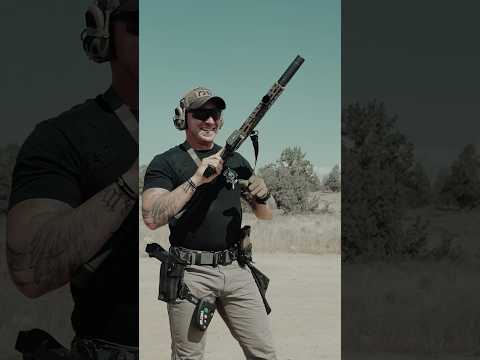
The Balance of Speed and Accuracy

Published on June 23, 2026
Duration: 2:19

This video emphasizes that effective shooting is a balance between speed and accuracy, not a competition between them. The core principle is that this balance hinges on the shooter's assessment of risk, which is influenced by objective factors like target size, distance, movement, and foreground/background considerations. It also highlights the critical importance of considering the consequences of a missed opportunity, particularly in high-stakes scenarios like active shooter events.


Quick Summary

Effective shooting requires a balance between speed and accuracy, dictated by risk assessment. Objective factors like target size, distance, and movement influence this balance. Crucially, consider the consequences of a missed opportunity, as hesitation can lead to severe outcomes, especially in tactical scenarios.

Chapters

  1. 00:00Introduction: Speed and Accuracy
  2. 00:15The Seesaws of Speed and Accuracy
  3. 00:26Delineation vs. Balance
  4. 00:51What Speed and Accuracy Hinge On: Risk
  5. 01:01Factors Influencing Risk: Target Size, Distance, Movement
  6. 01:08Time and Consequences
  7. 01:15Consequences of a Missed Shot vs. Missed Opportunity
  8. 01:22Law Enforcement Example: Active Shooter Scenario
  9. 01:38Objective Risk Factor Assessment
  10. 01:55Conclusion: Balance of Speed and Accuracy Under Risk

Frequently Asked Questions

What is the fundamental principle of effective shooting?

Effective shooting is fundamentally about achieving a balance between speed and accuracy. These two elements should not be seen as competing, but rather as interdependent aspects that must be harmonized based on the specific situation and the shooter's assessment of risk.

What is the primary factor that determines the balance between speed and accuracy in shooting?

The primary factor that determines the balance between speed and accuracy in shooting is risk. The shooter must constantly assess the level of risk involved in a given scenario, which will dictate how much speed can be prioritized over accuracy, or vice versa.

What objective factors influence the assessment of risk in shooting?

Objective factors that influence the assessment of risk include the size of the target, the distance to the target, the relative movement of the target, and the consideration of the foreground and background to prevent unintended consequences.

Why are the consequences of a missed opportunity important in shooting?

The consequences of a missed opportunity are critical because failing to take a shot when available can lead to far worse outcomes than a missed shot. This is particularly relevant in high-stakes situations like active shooter events, where hesitation can have dire results.

Related News

All News →

More Training & Techniques Videos You Might Like

More from Achilles Heel Tactical

View all →