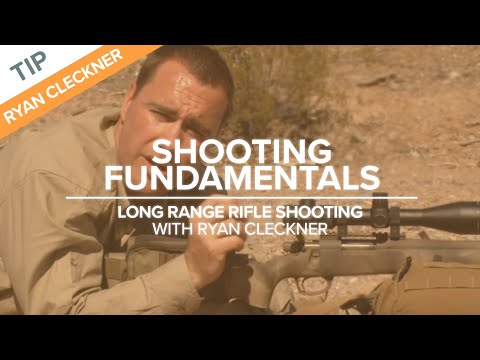
Trigger Control | Long-Range Rifle Shooting with Ryan Cleckner

This expert-level guide, presented by former Special Operations Sniper Ryan Cleckner, details the critical technique of trigger control for long-range precision shooting. It emphasizes the superiority of dry firing over live fire for developing a smooth, natural trigger press that avoids disturbing the sight picture. Key principles include consistent finger placement, visualizing pressure, and maintaining follow-through to achieve maximum accuracy.

Quick Summary

Mastering trigger control for long-range shooting involves consistent, steady pressure applied with the finger pad, visualized like drawing a line in the dirt. Dry firing is paramount, as live fire recoil can mask errors. Maintain focus on the reticle and practice follow-through to ensure accuracy.

Chapters

  1. 00:00Introduction to Trigger Control
  2. 00:40Core Principles and Dry Firing
  3. 01:09Finger Placement and Steady Pressure
  4. 01:33Visualization and Follow-Through
  5. 02:12Identifying Bad Habits

Frequently Asked Questions

What is the most effective way to practice trigger control for long-range shooting?

According to Ryan Cleckner, a former Special Operations Sniper, dry firing is the most effective method for mastering trigger control. He recommends practicing dry fire more than live fire to identify and correct subtle errors without the influence of recoil.

How should a shooter apply pressure to the trigger for precision?

For precision shooting, apply steady, consistent pressure using the pad of your finger on the trigger. Visualize building this pressure gradually, similar to drawing a line in the dirt, to avoid any sudden movements that disturb the sight picture.

Why is follow-through important in trigger control?

Follow-through is crucial because it ensures you maintain sight alignment and stability even after the shot breaks. Continuing to apply pressure for a moment after the shot helps prevent the firearm's natural movement from negatively impacting accuracy.

Can live fire training reveal trigger control issues?

Live fire can actually mask poor trigger control because the recoil often hides the subtle 'jerk' of the trigger. Dry firing is essential for revealing these errors, as it allows the shooter to feel precisely when and how the sights are disturbed during the trigger press.

More Training & Techniques Videos You Might Like

More from NSSF—The Firearm Industry Trade Association

View all →