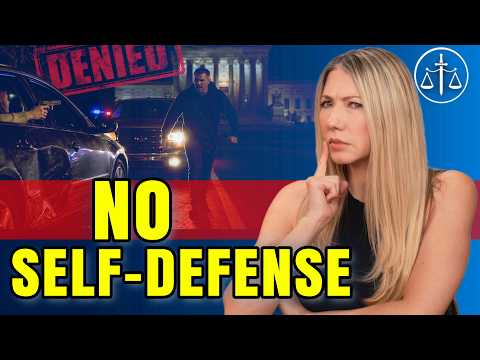
Overpenetration, What Do You Do With A Gun, And Justified Murder

Published on March 16, 2026
Duration: 16:57

This video from Armed Attorneys discusses legal nuances surrounding self-defense, including how a murder charge can be proven by the state but still result in a 'not guilty' verdict if self-defense is successfully argued. It also touches on the challenges faced by elderly or disabled individuals in self-defense scenarios, the legal implications of firearm possession after a self-defense incident, and the unique responses of combat veterans. The attorneys emphasize the critical role of a good defense attorney in navigating these complex legal landscapes.


Quick Summary

In Texas, the state must prove murder beyond a reasonable doubt before self-defense is considered. Even if murder is proven, a successful affirmative defense can lead to a 'not guilty' verdict. Visibly apparent disabilities aid self-defense claims, while non-visible ones are harder to prove. Combat veterans' controlled responses may be misconstrued by prosecutors.

Chapters

  1. 00:01Self-Defense Articulation & Legal Strategy
  2. 00:17Introduction: Armed Attorneys Q&A
  3. 00:22Topics: Overpenetration, Murder, Veteran Disadvantage
  4. 01:01Can the State Prove Murder in Self-Defense Cases?
  5. 01:33Texas Murder Law and Self-Defense
  6. 02:26Justified vs. Unjustified Killing
  7. 03:06Elderly/Disabled Self-Defense Challenges
  8. 03:30Impact of Comorbidities on Self-Defense
  9. 04:20Physical vs. Non-Physical Disabilities in Court
  10. 04:46Disadvantage for Disabled Defense Cases
  11. 05:37Pharmaceuticals and Self-Defense Cases
  12. 06:13Medication Relevance in Legal Cases
  13. 06:48Visible Disabilities and Jury Perception
  14. 07:26Pre-1964 Firearms & 'Ghost Guns'
  15. 08:22Overpenetration Cases & Bystander Injuries
  16. 08:40Caliber and Overpenetration Discussion
  17. 09:04Legal Challenges of Overpenetration Cases
  18. 09:23Recklessness in Public Self-Defense
  19. 09:38Handgun Rounds Stopping in Bodies
  20. 10:09Machine Gun Bills & Interstate Sales
  21. 10:23FFL Transfer Restrictions
  22. 11:07Post-Self-Defense Firearm Handling
  23. 11:23Handling Firearms After a Shooting
  24. 11:50Tampering with Evidence Laws
  25. 13:08Evidence Seizure and Gun Collections
  26. 14:20Combat Veterans in Self-Defense Scenarios
  27. 14:37Prosecutor Tactics Against Veterans
  28. 15:41Dismissing State's Distractions in Court
  29. 16:03Emotional Response vs. Legal Defense
  30. 16:27Facts vs. Legal Strategy

Frequently Asked Questions

Can the state prove murder if I acted in self-defense?

Yes, in Texas, the state must first prove the elements of murder beyond a reasonable doubt. However, if you successfully argue self-defense as an affirmative defense, you can be found not guilty of the murder charge.

How do disabilities affect self-defense cases?

Visibly apparent disabilities can help establish a lack of reasonable alternatives for self-defense. Non-visible disabilities are harder to prove, and medication use can be complex, potentially impacting judgment or suggesting vulnerability.

What should I do with my firearms after a self-defense incident?

If the scene is safe, reholster your firearm. Avoid tampering with evidence by hiding or destroying firearms not used in the incident. Keep firearms available but concealed, and focus on the well-being of others.

How are combat veterans perceived in self-defense cases?

Combat veterans' controlled responses can be misinterpreted by prosecutors as a lack of emotion or remorse, potentially leading to accusations of being 'cold-blooded killers.' A strong defense attorney is crucial to counter these tactics.

What are the risks of overpenetration in self-defense shootings?

Overpenetration, especially with handgun rounds, can lead to hitting bystanders. This is legally challenging, potentially resulting in charges like murder or manslaughter, as it raises questions about recklessness in public spaces.

Related News

All News →

More 2nd Amendment & Law Videos You Might Like

More from Armed Attorneys

View all →