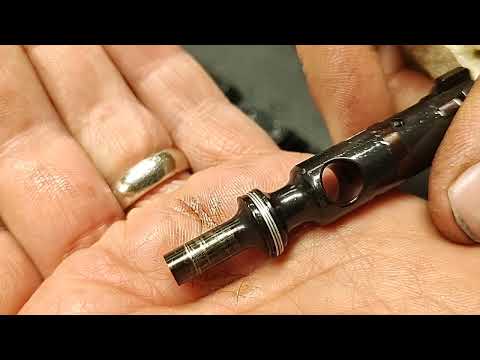
Brownells BCG Physical

Published on August 13, 2020
Duration: 24:51

This comprehensive guide details the physical inspection and testing of a Brownells Nitride bolt carrier group (BCG). Lead Firearms Instructor and SEO Strategist provides step-by-step instructions for checking headspace, bolt lug wear, extractor function, firing pin protrusion, and carrier key alignment. The video emphasizes the importance of using specific gauges and tools for accurate diagnostics, offering insights into potential issues like extractor spring tension and the impact of ammunition types on BCG performance. The instructor also demonstrates the use of a borescope for internal inspection of the BCG's bores and runs a reverse torque test on the gas key.


Quick Summary

A comprehensive inspection of a Brownells BCG involves checking for wear on carrier rails and bolt lugs, testing headspace with GO/NO-GO gauges, ensuring non-magnetic components, and verifying firing pin protrusion. Proper function of the extractor spring and carrier key alignment are also critical for reliable operation.

Chapters

  1. 00:00Introduction to Brownells BCG Physical
  2. 00:17Initial Wear Assessment
  3. 00:54Bolt Finish and Cam Pin Inspection
  4. 01:12Bolt and Extractor Removal and Inspection
  5. 01:12Bolt Face and Headspace Testing
  6. 01:51Cam Pin Fit and Magnetism Check
  7. 02:13Why Check for Magnetism?
  8. 03:14Cam Pin Hole Wear Test
  9. 03:39Ejector and Firing Pin Hole Test
  10. 04:19Bolt Tail Seal Test
  11. 04:33Bolt Rings and Shoulder Measurement
  12. 04:51Extractor Inspection
  13. 05:23Extractor Spring Assembly Issues
  14. 06:01Testing Different Extractor Springs
  15. 06:56Firing Pin Protrusion Check
  16. 07:18Firing Pin Tip Inspection
  17. 07:38BCG Finish and Weight Observation
  18. 07:45Bolt Carrier Gas Key Path and Length
  19. 08:45Reverse Carrier Key Torque Test
  20. 09:23Carrier Key Alignment and Gauging
  21. 09:58Nitride vs. Chrome Lined BCGs
  22. 10:52Three Bore Tests with Gauges
  23. 11:15Correcting BCG Finish Identification
  24. 11:45Borescope Introduction and Repair Story
  25. 12:47Borescope Comparison: Hawkeye vs. Amazon
  26. 13:37Borescope Inspection: First Bore
  27. 13:52Borescope Inspection: Gas Ring Run
  28. 14:15Borescope Inspection: Bolt Tail Seal
  29. 14:52Overall Assessment and Conclusion

Frequently Asked Questions

What are the key indicators of wear on a bolt carrier group?

Key indicators of wear on a bolt carrier group include visible wear on the carrier rails, wear on the back of the bolt lugs, and wear on the tail of the bolt where it interfaces with the carrier. The cam pin and its hole in the bolt can also show signs of wear.

How is headspace checked on an AR-15 bolt carrier group?

Headspace is checked using GO and NO-GO gauges specific to the caliber (.223 or .556). The GO gauge should allow the bolt to close, while the NO-GO or FIELD gauge should prevent the bolt from closing, indicating proper headspace.

Why is it important to check for magnetism in a bolt carrier group?

Checking for magnetism is important to prevent malfunctions, especially when using imported ammunition. Magnetic components can attract metal shavings from steel-cased or bi-metal ammunition, potentially causing jams or failures.

What is the significance of bolt carrier length?

A bolt carrier that is on the longer spec is generally preferred as it reduces the likelihood of buffer retainer impact damage, especially with receivers that may have the buffer retainer hole drilled slightly off-center.

More Gunsmithing & DIY Videos You Might Like

More from School of the American Rifle

View all →