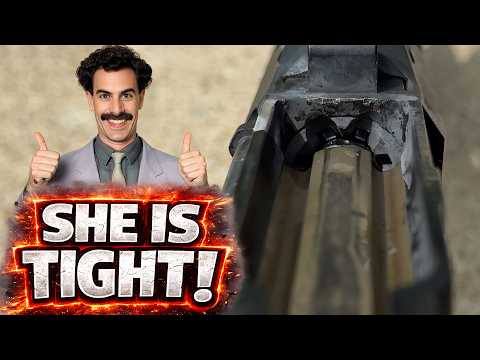
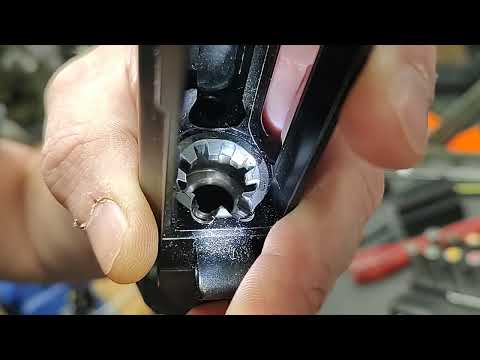
SOTAR Secret Shopper - Ruger AR556 - Part 3/4 - Upper Receiver

Published on January 15, 2025
Duration: 57:03

This video details a comprehensive inspection of Ruger AR556 upper receivers, focusing on critical alignment and assembly checks. It covers verifying front sight post and barrel extension alignment, assessing barrel nut torque, measuring gas port size, checking feed ramp compatibility, and diagnosing potential issues with bolt carriers and receiver tolerances affecting magazine compatibility. The expert guide provides step-by-step instructions for these checks, highlighting common problems and their potential impact on firearm function and accuracy.


Quick Summary

Inspections of Ruger AR556 upper receivers revealed common issues like misaligned front sight posts and barrel extensions, over-torqued barrel nuts, and over-gassed barrels with large gas ports (0.071 inches). Some units also exhibited bolt carrier compatibility problems affecting magazine insertion, highlighting potential tolerance issues that can impact firearm reliability.

Chapters

  1. 00:00Introduction: Ruger AR556 Secret Shopper Series Part 3
  2. 00:11Checking Front Sight Post Alignment
  3. 00:21Using URR Tool for Barrel Extension Alignment
  4. 00:49Front Sight Alignment Test Results
  5. 02:22Barrel Extension Alignment Test Results
  6. 02:53Railed Upper Receiver Alignment Checks
  7. 04:14Checking for Bolt Damage in Barrel Extension
  8. 05:32How to Fix Misalignment
  9. 06:13Handguard Removal and Inspection
  10. 07:50Ruger's Unique Gas Block and Barrel Nut
  11. 08:33Muzzle Device and Barrel Nut Tightness Observations
  12. 11:11Checking Gas Block Screws and Dimples
  13. 13:01Muzzle Device Removal and Thread Inspection
  14. 14:13Thread Runout and Roughness Observations
  15. 15:34Muzzle Device Torque and Crush Washer Absence
  16. 16:49Thread Concentricity Check
  17. 17:41Thread Concentricity Gauge Results
  18. 19:07Front Sight Base Upper Receiver Checks
  19. 20:08Boroscope Inspection of Barrels and Gas Systems
  20. 21:07Misaligned Gas Port Observation
  21. 23:19Summary of Front Sight Base Model Gas System Misalignment
  22. 23:46Checking Gas System Set Screw Tightness
  23. 24:13Gas Block Dimpling and Set Screw Issues
  24. 28:36Barrel Nut Torque Check
  25. 30:23Over-Torqued Barrel Nut and Damage
  26. 33:31Feed Ramp Inspection
  27. 35:35Gas Port Diameter Measurement
  28. 36:01Gas Port Size Analysis (Over-Gassed)
  29. 38:09Gas Tube Diameter Check
  30. 38:25Barrel Gauging: Muzzle Erosion and Throat
  31. 40:49Chamber and Throat Dimension Check
  32. 41:51Headspace Check Results
  33. 42:52Magazine Lip Drag Test Introduction
  34. 44:13Magazine Lip Drag Test: Initial Carrier Movement
  35. 45:00Magazine Lip Drag Test: Plastic Magazine Failure
  36. 45:13Magazine Lip Drag Test: Metal Magazine Test
  37. 47:38Magazine Lip Drag Test: Using a Different Bolt Carrier
  38. 52:28Summary of Magazine Sensitivity Issues
  39. 53:24Overall Summary of Issues Found
  40. 55:03Next Steps: Contacting Ruger and Future Videos
  41. 56:04Purpose of the Review and Future Plans

Frequently Asked Questions

What are common issues found in Ruger AR556 upper receivers during inspection?

Inspections revealed misaligned front sight posts and barrel extensions, over-torqued barrel nuts (sometimes damaging them), and over-gassed barrels with large gas ports (0.071 inches). Some units also had misaligned gas systems and issues with bolt carrier compatibility affecting magazine insertion.

How can barrel extension misalignment in an AR-15 upper receiver be detected?

Barrel extension misalignment can be detected using a Midwest URR tool; the tool should fall under its own weight if the extension is properly aligned with the upper receiver. Misalignment can occur if improper tools or fixtures are used when tightening the barrel nut.

What is the significance of a large gas port size in an AR-15?

A large gas port size, such as the 0.071 inches found on Ruger AR556 models, indicates an over-gassed system. While this can help ensure reliability with cheaper ammunition, it can lead to harsher recoil and potentially require heavier buffers or springs for proper cycling.

What is the magazine lip drag test and what does it reveal?

The magazine lip drag test checks for binding between the bolt carrier and the magazine follower. If the carrier binds when the magazine is inserted and pressure is applied, it indicates potential tolerance issues with the receivers or bolt carrier, which can cause feeding problems.

Related News

All News →

More Gunsmithing & DIY Videos You Might Like

More from School of the American Rifle

View all →