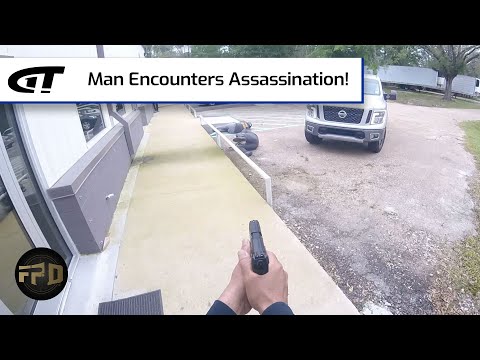
Will You Fire Immediately if You Draw Your Gun? - TheFireArmGuy

Published on December 28, 2015
Duration: 3:19

This video discusses the critical decision-making process after drawing a firearm in a self-defense scenario. It emphasizes that drawing a gun does not automatically necessitate firing. The instructor highlights the importance of assessing whether the threat has been eliminated before discharging the weapon to avoid legal complications, particularly if the assailant is retreating. The advice is to always seek opportunities to de-escalate or create distance if possible, even after drawing.

Quick Summary

Drawing your firearm in self-defense does not automatically mean you must fire. The critical factor is whether the threat to your life or safety has been eliminated. Firing upon a retreating assailant can lead to severe legal challenges, making it essential to assess the situation and seek de-escalation or distance if possible.

Chapters

  1. 00:00Introduction: The Drawing Dilemma
  2. 00:16When to Draw: Life or Great Bodily Harm
  3. 00:35The 'Draw and Fire' Mentality
  4. 00:54Avoiding Court: Key Considerations
  5. 01:00Threat Elimination: The Primary Goal
  6. 01:38Legal Ramifications of Firing at a Retreating Threat
  7. 01:54De-escalation and Creating Distance
  8. 02:27Drawing vs. Firing: A Sequential Decision
  9. 02:39The Danger of Premature Commitment
  10. 02:51Conclusion: Exploring All Angles

Frequently Asked Questions

Is it always necessary to fire immediately after drawing your gun in self-defense?

No, it is not always necessary to fire immediately after drawing your gun. The primary goal is to eliminate the threat. If the assailant retreats or backs off, the threat may be neutralized without firing, which can prevent significant legal complications.

What are the legal risks of shooting someone who is running away?

Shooting an assailant who is retreating or has been struck in the back while leaving poses significant legal risks. It can be very difficult to justify the use of deadly force when the threat is no longer immediate, potentially leading to severe legal consequences.

What is the most important factor when deciding to use deadly force?

The most crucial factor is the elimination of the threat. If your life is in danger or you fear great bodily harm, drawing your weapon is justified. However, if the threat ceases to exist, further action, including firing, may not be legally defensible.

Should you always try to de-escalate or create distance in a self-defense situation?

Yes, it is always advisable to explore opportunities to de-escalate or create distance from a threat if time and circumstances allow. This can include moving away or preparing to draw your firearm without immediately committing to firing, potentially resolving the situation safely.

Related News

All News →

More Training & Techniques Videos You Might Like

More from TheFirearmGuy

View all →