How To Setup A Night Vision Loadout (Helmet, Guns, Kit)

Published on May 13, 2024
Duration: 35:56

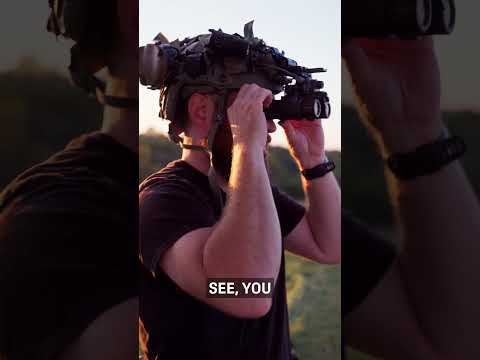
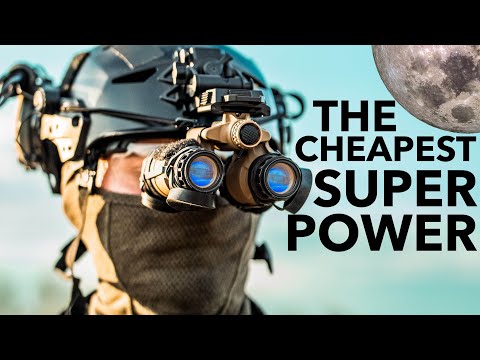
This video provides an expert-level guide to setting up a comprehensive night vision loadout, featuring insights from Don Edwards of Green Line Tactical. It covers helmet configurations, NVG selection and mounting, essential accessories like counterweights and admin lights, and optimal pistol and rifle setups for low-light operations. The discussion emphasizes the importance of a balanced system where each component contributes to overall capability and user comfort.


Quick Summary

A comprehensive night vision loadout requires a well-balanced system including a helmet, NVGs with a reliable mount like the Wilcox G24, helmet-mounted hearing protection, and a counterweight for comfort. Firearms should be equipped with lights and lasers for effective low-light engagement, with considerations for optic height and suppressors.

Chapters

  1. 00:00Introduction to Night Vision Loadout
  2. 00:10Guest Introduction: Don Edwards of Green Line Tactical
  3. 00:42Don Edwards' Background and Experience
  4. 01:13Importance of Daytime Proficiency
  5. 01:41Don's Primary Helmet Setup (Carbon Fiber)
  6. 02:56NVG Details: DTNVS and Wilcox G24 Mount
  7. 03:21Admin Light: Surefire Vampire Style
  8. 03:59Dual Tube NVGs vs. Monocular
  9. 05:00DTNVS Tube Specs (FOM, SNR)
  10. 06:10Understanding FOM and Tube Performance
  11. 06:43Unfilmed White Phosphor Technology
  12. 08:14Nerd Retention Device (Cheap Insurance)
  13. 08:52Helmet Counterweight System Explained
  14. 10:10Helmet Mounted Hearing Protection (Ops-Core AMPs)
  15. 11:10Ballistic Helmet Setup (FAST SF)
  16. 12:011431 NVG Housings and PBS 14 Lenses
  17. 13:14Articulating NVG Mounts vs. Fixed Bridge
  18. 15:57Stepped Visor for Eye Protection
  19. 16:39Night Vision System Integration
  20. 17:07Ballistic vs. Bump Helmet Decision
  21. 17:33Team Wendy Helmet and Earmore Headset
  22. 17:57White Phosphor vs. Green Phosphor NVGs
  23. 19:40Pistol Belt Setup (Lightweight)
  24. 20:40Rifle Setup for Night Vision Operations
  25. 21:40Modlite and Unity Tactical Accessories
  26. 23:00Unity Gas Cap with USB-C
  27. 23:31Laser Synchronization (Sync Model)
  28. 24:40Cable Management and Gun Wear
  29. 25:15KG Made Suppressor and Base Camp Kilo Sling
  30. 26:30Fighting Carbine vs. Dedicated Night Gun
  31. 27:00Optic Height and Shooting Posture
  32. 27:40Conclusion and Gear Appreciation

Frequently Asked Questions

What are the key components of a night vision loadout?

A night vision loadout typically includes a helmet, night vision goggles (NVGs) with a reliable mount, helmet-mounted hearing protection, a counterweight system, and appropriate firearms with weapon-mounted lights and lasers for low-light engagement.

Why is a helmet counterweight important for night vision setups?

A helmet counterweight is crucial for balancing the weight of NVGs mounted on the front of the helmet. This prevents neck strain, improves comfort during extended use, and enhances overall stability and maneuverability.

What is the difference between white phosphor and green phosphor night vision?

White phosphor NVGs are often perceived as more comfortable and natural to view, potentially due to engaging more of the eye's color receptors. Green phosphor is the traditional color, and some users find it better for picking up terrain features in specific environments.

Should I choose a ballistic or a polymer bump helmet for night vision?

The choice depends on your intended use. Ballistic helmets are essential for high-threat environments like shoot houses. Polymer bump helmets are suitable for general training and recreational use where ballistic protection is not required, offering a lighter option.

What are the benefits of articulating NVG mounts?

Articulating NVG mounts, such as the Wilcox G24, allow the goggles to be easily stowed or moved out of the way without fully removing them. This can prevent accidental impacts, reduce lens condensation in humid conditions, and offer more flexibility in managing the equipment.

More Tactical & Gear Videos You Might Like

More from ClassicFirearms

View all →