Winter is coming, thermals will see you for days after

Published on October 27, 2025
Duration: 1:07

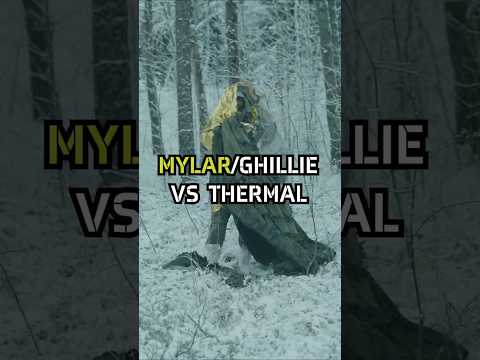
Thermal imaging reveals footprints in snow for extended periods, even after they are made. Traditional camouflage methods are ineffective against thermal detection. Environmental factors like temperature and snow type influence detectability, with below-freezing temperatures and powdery snow offering the highest visibility. Moving continuously is the primary countermeasure against thermal tracking.

Quick Summary

Thermal imaging can detect footprints in snow for days by revealing residual heat signatures. Traditional camouflage is ineffective. Visibility is highest in below-freezing, powdery snow conditions. Continuous movement is the primary countermeasure against thermal tracking.

Chapters

  1. 00:00Thermal Visibility of Tracks
  2. 00:18Detection via Drones and Handhelds
  3. 00:27Countermeasures Against Thermal Detection
  4. 00:41Environmental Variables Affecting Track Detection

Frequently Asked Questions

How long do footprints remain visible to thermal imaging in the snow?

Footprints in the snow can remain visible to thermal imaging devices for days after they are made. The duration depends on environmental factors like temperature and snow type, but the heat signature persists.

Are traditional methods of hiding tracks effective against thermal imaging?

No, traditional methods of hiding tracks in snow are generally ineffective against thermal imaging. The technology detects residual heat signatures, bypassing visual camouflage techniques.

What environmental conditions make footprints most visible with thermal optics?

Footprints are most visible with thermal optics in below-freezing temperatures when the snow is powdery. Conversely, they are less detectable if the temperature is above freezing or the snow is very deep.

What is the best countermeasure against being tracked by thermal imaging in snow?

The most effective countermeasure against thermal tracking in snow is to keep moving continuously. This minimizes the time a heat signature is present in one location and relies on potential operator error or equipment limitations.

More Tactical & Gear Videos You Might Like

More from FalconClaw

View all →