2 DAY VEHICLE TACTICS

Published on July 20, 2022
Duration: 8:17

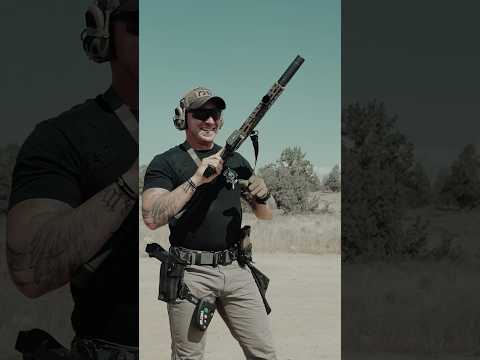
This two-day vehicle tactics class focuses on critical techniques for engaging targets from and around vehicles. Key takeaways include proper body positioning for prone shots, safe weapon handling during movement, and effective communication and coordination with a partner when breaking contact. The instruction emphasizes situational awareness and optimizing cover provided by the vehicle.


Quick Summary

Learn essential vehicle tactics for firearm handling, movement, and engaging targets from cover. Key techniques include safe trigger finger discipline, smooth transitions to prone positions, and effective partner coordination when breaking contact around vehicles.

Chapters

  1. 00:33Changing Positions & Trigger Discipline
  2. 00:39Urban Prone Technique
  3. 01:00Right Side Prone Movement
  4. 01:16Left Side Prone Movement & Scanning
  5. 02:08Exiting Vehicle & Initial Assessment
  6. 02:13Drawing Weapon & Pillar Assessment
  7. 02:24Engaging Targets & Improving Position
  8. 02:39Clearing to Rear of Vehicle
  9. 02:46Assessing from Rear Cover
  10. 03:09Student Feedback: Key Takeaways
  11. 05:07Breaking Contact: Partner Movement
  12. 05:33Lead Man vs. Moving Man Roles
  13. 05:47Partner Movement Coordination
  14. 05:53Communication & Proximity

Frequently Asked Questions

What are the key safety considerations when moving and firing from a vehicle position?

Always maintain trigger finger discipline, keeping it straight and off the trigger until ready to fire. Ensure muzzle discipline by controlling the firearm's direction, especially when transitioning between positions or moving around the vehicle's structure.

How should you transition to a prone position when engaging targets from a vehicle?

When transitioning to prone, compress the muzzle and use your support hand to lower yourself smoothly. For right-side prone, bring your top leg over and ensure your muzzle doesn't extend past the vehicle's protective elements.

What is the recommended procedure for breaking contact with a partner around a vehicle?

Communicate your movement clearly (e.g., 'breaking contact right'). The lead person engages while the other moves. The moving person signals when set, or the engaging person confirms their position before moving themselves.

Why is it important to avoid moving together when breaking contact?

Moving together when breaking contact is a tactical error because it exposes both individuals to threats simultaneously, turning backs to the engagement area and requiring more effort to reacquire targets and situational awareness.

More Training & Techniques Videos You Might Like

More from Achilles Heel Tactical

View all →