FIND FAILURE IN YOUR TRAINING

Published on July 26, 2023
Duration: 7:00

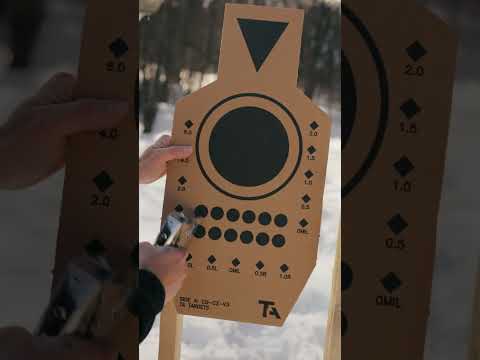
This video emphasizes the importance of identifying failure points in firearms training to improve performance. The instructor advocates for setting up drills that push limits, such as shooting for speed and accuracy at specific distances or target zones. By analyzing where performance breaks down, shooters can then adjust their techniques, allowing for proper sight acquisition and consistent grip, and incorporating dynamic movement to become a harder target. The core principle is to quantify capabilities in realistic scenarios to build effective skills.


Quick Summary

The most effective firearms training involves actively seeking failure points. Instead of just hitting targets, focus on drills that push your limits by shrinking target zones or increasing speed. Allow adequate time for sight acquisition and stabilization, and practice continuous movement to become a harder target. Identifying and correcting weaknesses is key to real-world effectiveness.

Chapters

  1. 00:00Introduction to Finding Failure
  2. 00:21Failure Analysis at 25 Yards
  3. 00:31Shrinking Target Size for Difficulty
  4. 00:41Allowing Time for Sight Acquisition
  5. 00:58Presentation and Stabilization Techniques
  6. 01:03Grip and Presentation Consistency
  7. 01:14Building Training Scars
  8. 01:21Real-World vs. Training Scenarios
  9. 01:36Quantifying Capabilities
  10. 01:45Revisiting 25 Yards with Adjusted Pace
  11. 01:57Quarter-Second Engagement
  12. 02:05Resettling the Dot
  13. 02:15Movement and Threat Engagement
  14. 02:25Making Yourself a Hard Target
  15. 02:35Lateral Movement Techniques
  16. 02:55Adapting to Real-World Needs
  17. 03:05Turning and Burning
  18. 03:22Increasing Survival Through Movement
  19. 03:31Practicing Continuous Movement
  20. 03:42Movement Within Structure
  21. 03:54Conclusion and Practice

Frequently Asked Questions

What is the primary objective when designing firearms training drills?

The primary objective should be to find failure points in your performance. By identifying where you break down, you can then focus your training on those specific areas to build more robust skills and improve overall effectiveness under pressure.

How can shooters increase the difficulty of a drill without just increasing distance?

You can increase drill difficulty by shrinking the target size. For example, instead of aiming for general hits, focus solely on A-zone hits. This forces greater precision and control, revealing weaknesses in your marksmanship.

What is the importance of allowing time for sight acquisition in shooting drills?

Allowing sufficient time for the sights to settle on the target after presentation is crucial for accuracy. Rushing this step can lead to misses or poor shot placement, especially under stress. Train to let the dot or sights return to home base before engaging.

Why is continuous movement important in tactical firearms training?

Continuous movement is vital for making yourself a harder target. By practicing lateral shuffles, forward drives, or 'turning and burning,' you force an adversary to adjust their aim and potentially chase you, increasing your survivability in a dynamic encounter.

More Training & Techniques Videos You Might Like

More from Achilles Heel Tactical

View all →