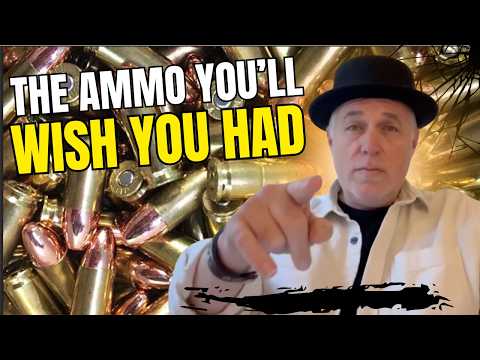
Firearm Basics: Part - 13 Selecting the Right Ammunition

Published on April 14, 2020
Duration: 3:40

This video by Kit Badger explains the fundamental differences between various types of ammunition, focusing on their intended applications. It differentiates between 'ball' or full metal jacket (FMJ) ammunition, ideal for training due to its lower cost and durability, and hollow point ammunition, designed for defensive use. Hollow points are further categorized into internal and external types, both engineered to expand upon impact, creating larger wound channels and imparting more kinetic energy to stop a threat while minimizing over-penetration. The instructor emphasizes choosing ammunition based on purpose, recommending reputable manufacturers for reliability and safety.


Quick Summary

Ball ammunition, or full metal jacket (FMJ), is cost-effective for training but can over-penetrate. Hollow point ammunition expands on impact, creating a larger wound channel and transferring more energy for defensive use, while also minimizing over-penetration risks. Always buy from reputable manufacturers for safety and reliability.

Chapters

  1. 00:10Introduction to Ammunition
  2. 00:19Ammunition Quality and Purpose
  3. 00:54Ball Ammunition Explained
  4. 01:01Hollow Point Ammunition Types
  5. 01:17Ball Ammo Penetration Issues
  6. 01:43Internal Hollow Point Benefits
  7. 02:12External Hollow Point Function
  8. 02:24Rifle Ammunition Comparison
  9. 02:41Can You Buy Bad Ammunition?
  10. 03:00Reputable Ammunition Manufacturers
  11. 03:20Conclusion and Next Steps

Frequently Asked Questions

What is the main difference between ball ammunition and hollow point ammunition?

Ball ammunition, or full metal jacket (FMJ), has a lead core covered by a copper jacket and is generally used for training due to its lower cost. Hollow point ammunition is designed to expand upon impact, creating a larger wound channel and transferring more energy, making it suitable for defensive use.

Why is hollow point ammunition preferred for defensive firearm use?

Hollow point ammunition is preferred for defense because it expands upon hitting a target, creating a wider wound channel and imparting more kinetic energy to help stop a threat. Crucially, it also reduces the risk of over-penetration, meaning it's less likely to pass through the target and endanger bystanders.

Can ball ammunition be used for self-defense?

While ball ammunition can be fired from a defensive firearm, it is generally not recommended. Its primary drawback is its tendency to penetrate too deeply, which can lead to over-penetration and unintended consequences for people not involved in the threat.

Where should I buy ammunition from?

It is highly recommended to purchase ammunition from reputable manufacturers. This ensures consistent quality control and reliability. Avoid buying reloaded ammunition from unverified sources, as this is where potential issues and firearm failures are more likely to occur.

More Training & Techniques Videos You Might Like

More from Kit Badger

View all →