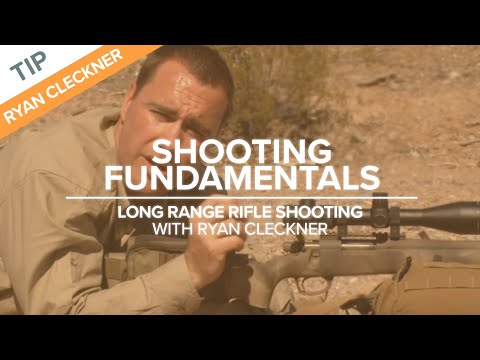
How to Use MOA in the Field | Gathering DOPE (Data on Previous Engagements) with Ryan Cleckner

This guide, presented by former Special Operations Sniper Ryan Cleckner, details how to gather Data on Previous Engagements (DOPE) in the field using Minutes of Angle (MOA). It covers using ammunition box data as a baseline, performing manual MOA calculations for specific distances and drops, comparing these with ballistic software, and refining adjustments through live fire. The importance of recording confirmed data for future use under similar conditions is heavily emphasized for mastering long-range accuracy.

Quick Summary

Gathering DOPE (Data on Previous Engagements) involves using ammunition box data as a baseline, calculating MOA adjustments for specific distances and drops, and verifying with ballistic software. Record confirmed data on an index card for future reference to ensure accuracy in the field.

Chapters

  1. 00:00Introduction to DOPE & MOA
  2. 01:01Using Ammo Box Data as a Baseline
  3. 01:21Calculating MOA for 250 Yards
  4. 02:16Ballistic Software Comparison
  5. 02:46Live Fire and Refinement
  6. 03:31Recording DOPE for Future Use
  7. 03:58325-Yard Engagement Strategy
  8. 05:15Final Adjustments and Practice

Frequently Asked Questions

What is DOPE in long-range shooting?

DOPE stands for Data on Previous Engagements. It's crucial recorded information about your firearm's performance at specific distances and conditions, allowing you to make precise adjustments for future shots without recalculating from scratch.

How do you calculate MOA adjustments in the field?

To calculate MOA, determine the target's distance and the bullet's drop in inches. Divide the drop (inches) by the inches-per-MOA at that distance (e.g., 2.5 inches at 250 yards) to find the required MOA adjustment.

Why is comparing manual calculations to ballistic software important?

Comparing manual calculations to ballistic software, like the Hornady 4DOF app, helps verify your estimations. This cross-referencing ensures greater accuracy and builds confidence in your field adjustments before taking a shot.

What is the best practice for recording DOPE?

The best practice is to record the exact yardage, scope settings, and environmental conditions for confirmed hits on an index card. This detailed log allows you to quickly reference successful data for future shots under similar circumstances.

Related News

All News →

More Training & Techniques Videos You Might Like

More from NSSF—The Firearm Industry Trade Association

View all →