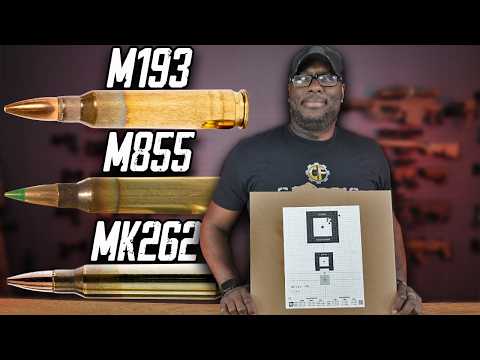
Kill the Enemy with Science: Rifleman’s Guide

Published on March 9, 2025
Duration: 6:31

This video provides a foundational understanding of ballistics for rifle marksmanship, breaking it down into three key areas: internal, external, and terminal. It explains how factors like barrel rifling, environmental conditions, and bullet velocity significantly impact projectile trajectory and effectiveness. The content is geared towards shooters seeking to improve their accuracy by understanding the science behind bullet flight.

Quick Summary

Ballistics is categorized into three types: internal (inside the barrel, affected by rifling), external (flight path influenced by wind, gravity, and atmosphere), and terminal (bullet's effect upon target impact). Understanding these principles is key to improving rifle marksmanship and predicting projectile behavior.

Chapters

  1. 00:13Introduction to Ballistics
  2. 01:06Three Types of Ballistics
  3. 01:42Internal Ballistics Explained
  4. 02:11External Ballistics Factors
  5. 03:02Max Ordinate Definition
  6. 03:26Terminal Ballistics Explained
  7. 03:405.56mm Lethality and Velocity
  8. 04:18Barrel Length vs. Bullet Performance
  9. 04:43Ballistics Summary
  10. 05:42Support the Channel

Frequently Asked Questions

What are the three main types of ballistics discussed for rifle marksmanship?

The three main types of ballistics are internal, external, and terminal. Internal ballistics covers what happens inside the barrel, external ballistics deals with the bullet's flight path to the target, and terminal ballistics describes the bullet's interaction upon impact.

How does barrel twist rate affect a rifle bullet?

Barrel twist rate, like a 1 in 7 twist, determines how many times a bullet spins per inch of barrel length. This spin is crucial for stabilizing the projectile in flight, ensuring accuracy and predictable trajectory.

What environmental factors influence external ballistics?

External ballistics is significantly influenced by environmental factors such as wind, gravity, and atmospheric conditions like temperature and air density. These elements can alter the bullet's path and performance.

Why is bullet velocity important for 5.56x45mm NATO ammunition?

For 5.56x45mm NATO, bullet velocity is the primary factor contributing to its lethality. Lower velocities, often resulting from shorter barrels or long distances, can diminish the round's effectiveness upon impact.

Related News

All News →

More Training & Techniques Videos You Might Like

More from Trench Grenade

View all →