Mountain Shooting Tips, and the G7 BR2 Rangefinder

Published on August 28, 2012
Duration: 5:20

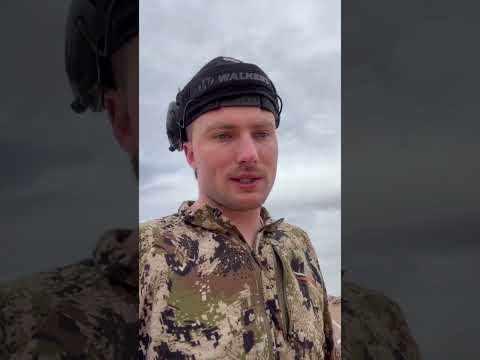
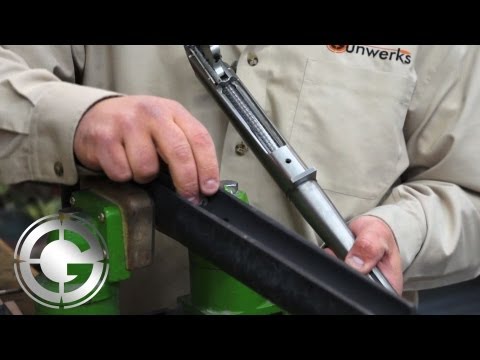
This guide details essential techniques for long-range mountain shooting, emphasizing the critical impact of incline and air density on projectile trajectory. It highlights how to compensate for these factors using tools like the G7 BR2 Rangefinder and ballistic calculators, as explained by Aaron Davidson, owner of Gunwerks.

Quick Summary

Expert mountain shooting techniques emphasize compensating for incline and air density. Uphill/downhill shots require aiming low, while significant air density changes (pressure/temperature) alter bullet drop and wind drift. Tools like the G7 BR2 Rangefinder integrate these factors for accurate field solutions.

Chapters

  1. 00:00Mountain Hunting Challenges Introduction
  2. 00:39Incline/Decline Shooting Compensation
  3. 01:10Incline Compensation Examples
  4. 01:49Air Density Changes and Impact
  5. 02:37Ballistic Profile Calculator Comparison
  6. 03:48Wind Deflection Adjustments
  7. 04:17Limitations of Static Ballistic Data
  8. 04:37G7 BR2 Rangefinder Solution

Frequently Asked Questions

How does incline affect long-range shooting in mountains?

Incline shooting requires aiming low to compensate for the reduced effective horizontal distance. A 20-degree incline at 700 yards can cause a 1 MOA impact shift, while a 40-degree incline can cause a 20-inch shift, demanding precise adjustments.

Why is air density critical for mountain ballistics?

Air density, a function of pressure and temperature, significantly alters a bullet's trajectory. Mountain environments experience dramatic changes in air density, impacting both projectile drop and wind deflection, making field calculations essential.

What are the benefits of the G7 BR2 Rangefinder for mountain hunting?

The G7 BR2 Rangefinder integrates an angle cosine indicator, ballistic computer, and weather station. This allows for one-button ballistic solutions in the field, simplifying complex calculations related to incline, air density, and wind.

How does wind deflection change in mountain environments?

Wind deflection is affected by air density. For instance, a 10 mph wind at 1000 yards can cause 5.7 MOA of deflection at 2000 ft elevation but only 4.1 MOA at 8000 ft, a difference of about 16-17 inches.

Related News

All News →

More Training & Techniques Videos You Might Like

More from Gunwerks

View all →