Reading Wind with Optics | Long-Range Rifle Shooting with Ryan Cleckner

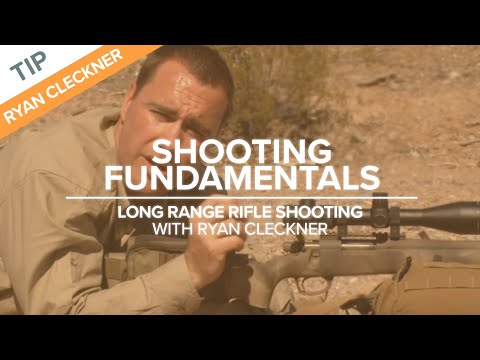
This guide, presented by former Special Operations Sniper Ryan Cleckner, details how to read wind conditions for long-range rifle shooting using optics. It explains how to identify and interpret mirage patterns to estimate wind speed and direction, crucial for accurate shots beyond typical engagement distances. The technique emphasizes using a spotting scope to visualize atmospheric disturbances along the bullet's path.

Quick Summary

Reading wind for long-range shooting involves using optics like spotting scopes to observe mirage (heat waves). By adjusting focus to see mirage in front of the target and interpreting its movement patterns (angle, direction), shooters can estimate wind speed and direction along the bullet's path, a critical factor for accuracy.

Chapters

  1. 00:05Introduction to Wind Reading
  2. 01:14Limitations of Wind Meters
  3. 02:46Reading Mirage with Optics
  4. 03:58Interpreting Mirage Patterns
  5. 04:40Determining Wind Direction

Frequently Asked Questions

How can I read wind for long-range shooting using optics?

Use a spotting scope to observe mirage (heat waves) in front of your target. Adjust focus until the mirage is visible, then interpret its movement (angle, direction) to estimate wind speed and direction, crucial for accurate long-range shots.

What is mirage and how does it relate to wind?

Mirage is the shimmering effect of heat waves. Its movement patterns, such as boiling, angling, or horizontal flow, directly correlate to wind speed and direction, providing vital data for long-range shooters to compensate for wind drift.

Why are wind meters not sufficient for long-range shooting?

Wind meters only measure wind at the shooter's location. For long-range accuracy, it's essential to understand wind conditions along the entire bullet path, which mirage reading with optics effectively provides.

What specific optics are recommended for reading mirage?

High-quality spotting scopes or binoculars with adjustable focus are recommended. Models like the Vortex Razor HD are suitable for their optical clarity and ability to resolve subtle mirage patterns needed for precise wind calls.

Related News

All News →

More Training & Techniques Videos You Might Like

More from NSSF—The Firearm Industry Trade Association

View all →