Shoplifter Attacks Store Employee | First Person Defender

Published on September 26, 2021
Duration: 19:55

This video demonstrates a close-quarters firearm engagement and retention technique for scenarios where an attacker is not deterred by a firearm and closes distance rapidly. It emphasizes maintaining control of the weapon, using verbal commands, and transitioning between shooting positions and defensive maneuvers. The instruction highlights the importance of adapting tactics based on the aggressor's actions and the evolving distance of the threat, with a focus on preventing the firearm from being compromised.

Quick Summary

Learn essential close-quarters firearm defense techniques, including weapon retention, stiff-arming, verbal commands, and tactical movement. This training emphasizes adapting tactics for aggressors unfazed by firearms and managing extreme close-range threats.

Chapters

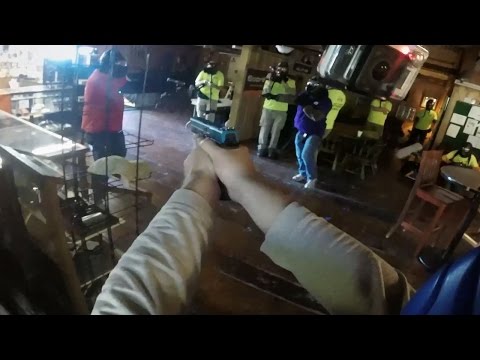
  1. 00:05Initial Shoplifting Confrontation
  2. 00:17Introduction to First Person Defender
  3. 00:37Confronting an Unscared Attacker
  4. 00:59Force-on-Force Training Explained
  5. 01:05Participant Taylor's Background
  6. 01:41Belief in Second Amendment Rights
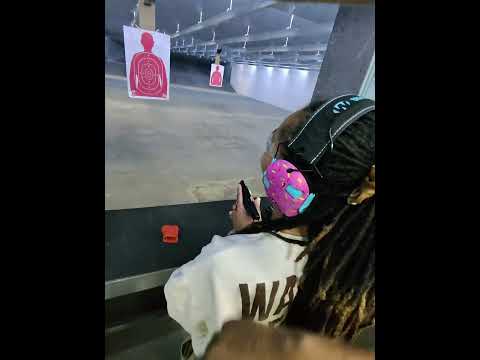
  7. 01:57Square Range vs. Scenario Training
  8. 02:38Scenario Setup: Non-Armed Aggressor
  9. 03:01Confronted During a Robbery
  10. 03:36Robbery in Progress
  11. 04:00Aggressor Confronts Defender
  12. 04:09Defender Issues Warning Shot
  13. 04:16Aftermath and 911 Call
  14. 04:34Post-Scenario Debrief: Taylor
  15. 04:57Defender's Initial Positioning
  16. 05:35Opportunity to Leave Given
  17. 05:44Drawing the Firearm
  18. 05:47Reason for Drawing
  19. 06:02Final Warning and Engagement
  20. 06:21Shot Fired
  21. 06:42Instructor Feedback: Overall Job
  22. 06:50Legal Defense Considerations
  23. 07:07Egress Route and Obstacles
  24. 07:36Gun Position: Shoot or Defend
  25. 07:53Drill: Stiff-Arm Defense
  26. 08:14No Shooting Drill
  27. 08:17Stiff-Arm Execution
  28. 08:25Shooting Position Analysis
  29. 08:58Defending in Close Quarters
  30. 09:02Drill: Combined Defense and Fire
  31. 09:16Aggressor Advance and Fire
  32. 09:27Muzzle Position Feedback
  33. 09:36Learning Muzzle Control
  34. 09:59Post-Engagement Actions
  35. 10:46KJ: Close Quarter Positions
  36. 10:51Two-Handed Close Quarter Position
  37. 10:55Retention Position
  38. 11:08Drill Commands: One and Gun
  39. 11:31Extending Handgun Too Close
  40. 11:38Command: One - Build Position
  41. 11:51Posture and Balance
  42. 11:57Two-Handed High Ready Stance
  43. 12:05Command: Gun - Fire Shots
  44. 12:23Transition to Closer Position
  45. 12:37Stiff Arming or Striking
  46. 12:44Command: Two - Build Retention Position
  47. 12:50Retracted Gun Position
  48. 13:03Aggressive Posture
  49. 13:07Fire Command
  50. 13:08Safely Re-acquiring Two-Handed Grip
  51. 13:16Gaining Distance
  52. 13:23Threat Closes Distance Again
  53. 14:27Taylor in Another Robbery
  54. 15:01Second Robbery Scenario Begins
  55. 15:15Thief Confronted by Clerk
  56. 15:26Thief Challenges Clerk
  57. 16:06Defender Fires First Shot
  58. 16:07Verbal Commands to Drop Weapon
  59. 16:13Continued Commands
  60. 16:18Second Shot Fired
  61. 16:26Call 911
  62. 16:36Post-Scenario Debrief: Taylor (Second Time)
  63. 16:41Increased Adrenaline
  64. 16:53Scenario Breakdown: Second Robbery
  65. 17:13Defender Takes Cover
  66. 17:25Pulling Gun in Hallway
  67. 17:27Reason for Drawing in Hallway
  68. 17:30Firearm in Play Indicator
  69. 17:40Assuming Incapacitation
  70. 17:46Matching Force with Force
  71. 17:52Expectation of Thief Leaving
  72. 18:02Thief Grabs Firearm
  73. 18:06Thief Advances Towards Defender
  74. 18:09Defender Hit on Helmet
  75. 18:12Defender Was Shot
  76. 18:13Instructor Feedback: Great Reaction
  77. 18:38Armed Firearm Threat
  78. 18:50Impact of Fast Threats
  79. 19:36Thanks for Watching

Frequently Asked Questions

What is the primary technique taught for close-quarters firearm defense in this video?

The video teaches a close-quarters firearm defense technique that involves transitioning from an extended grip to a stiff-arm strike when an aggressor closes distance. It emphasizes weapon retention, verbal commands, and tactical movement to manage threats at extremely close range.

How does the video differentiate between square range training and scenario-based training?

Square range training is described as the method for polishing fundamental shooting skills. Scenario-based training, conversely, focuses on applying those skills in dynamic situations, integrating decision-making, tactics, and movement, which is crucial for real-world self-defense.

What are the key considerations when an aggressor is not deterred by a firearm?

When an aggressor is not deterred by a firearm, it's critical to manage different distances, be prepared for them to close in, and consider how to prevent them from gaining control of your weapon. This requires adapting tactics beyond simply drawing a firearm.

What is the recommended approach for re-acquiring a two-handed grip after a close-quarters engagement?

After a close-quarters engagement, safely re-acquiring a two-handed grip involves sliding the support hand down the body and then up under the trigger guard, ensuring it never passes in front of the muzzle, before gaining appropriate shooting distance.

Related News

All News →

More Training & Techniques Videos You Might Like

More from Gun Talk Media

View all →