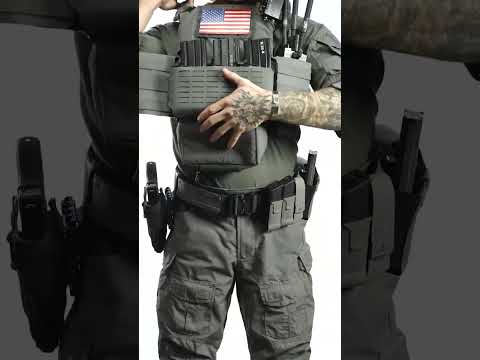
WHY SIMULATORS ARE THE FUTURE - D7 VIRTRA SHOT SHOW 2024

Published on January 27, 2024
Duration: 5:05

This video emphasizes the critical role of simulator training, specifically using VirTra systems, as a future component of firearms education. Instructors highlight that simulators bridge the gap between flat-range practice and real-world scenarios, focusing on the cognitive aspects of decision-making, judgmental use of force, and force-on-force engagement. It's presented not as a replacement for live fire but as an essential tool for building mental repetitions and increasing survivability for law enforcement, military, and responsible armed citizens.


Quick Summary

Firearms simulators are the future of tactical training, bridging the gap between real-world scenarios and live-fire practice. They are essential for developing cognitive skills like decision-making and judgmental use of force, which are difficult to replicate on a flat range, ultimately increasing survivability for law enforcement, military, and armed citizens.

Chapters

  1. 00:00Introduction to Simulator Training
  2. 00:22Simulated Scenario
  3. 02:32Shot Show 2024 Booth & VirTra
  4. 02:42Why Simulator Training is the Future
  5. 03:00Simulator as a Bridge
  6. 03:17Judgmental Use of Force in Simulators
  7. 03:34Range vs. Simulator Training
  8. 03:54Increasing Survivability
  9. 04:17Cognitive Aspect of Training
  10. 04:21Haley Strategic D7 Courses
  11. 04:36Mental Repetitions for Officers
  12. 04:52Thinkers Before Shooters

Frequently Asked Questions

What is the primary benefit of using firearms simulators in training?

Firearms simulators are crucial for developing the cognitive aspects of shooting, such as decision-making and judgmental use of force, which are difficult to replicate on a traditional flat range. They act as a bridge between real-world scenarios and live-fire practice.

How do firearms simulators complement live-fire training?

Simulators are not a replacement for live-fire ranges but rather a complementary tool. While ranges focus on the physical aspects of shooting, simulators excel at building mental repetitions and improving survivability by allowing practice of complex decision-making under stress.

What is the role of simulators in judgmental use of force training?

Simulators are highly effective for judgmental use of force training because they can present realistic scenarios where trainees must make critical decisions about when and how to use force. This aspect is often missing in other forms of force-on-force training like airsoft or UTM.

Who benefits most from advanced simulator training?

Law enforcement officers, military personnel, and responsible armed citizens all benefit significantly from advanced simulator training. It helps increase survivability, reduce liability, and develop the critical thinking skills necessary for effective tactical engagement.

Related News

All News →

More Training & Techniques Videos You Might Like

More from Haley Strategic Partners

View all →