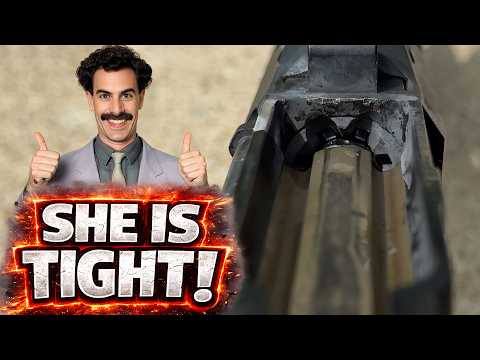
2 PSA Upper Receiver Autopsies - Part 1/3

Published on June 18, 2024
Duration: 22:44

This guide details the disassembly and inspection process for Palmetto State Armory (PSA) AR-15 upper receivers, as demonstrated by an expert armorer from School of the American Rifle. It covers critical checks for FSB alignment, headspace, barrel straightness, and barrel extension clocking, highlighting common assembly errors like over-torqued barrel nuts and misaligned components. The procedure emphasizes the use of specialized tools for accurate diagnostics and repair.

Quick Summary

An expert autopsy on two Palmetto State Armory AR-15 upper receivers revealed critical assembly flaws: 'clocked' barrel extensions and over-torqued barrel nuts (150-200 ft-lbs). These issues can impede proper alignment, cause component binding, and affect reliability. The inspection utilized specialized gauges and tools to diagnose these common gunsmithing errors.

Chapters

  1. 00:00Introduction and Unboxing
  2. 02:46Front Sight Base Alignment
  3. 04:20BCG Inspection and Chamber Cleaning
  4. 05:56Headspace and Throat Gauging
  5. 08:21Barrel Straightness and Erosion
  6. 09:21Barrel Extension Alignment Issues
  7. 12:45Gas System and Disassembly
  8. 16:19Barrel Nut Removal and Over-Torquing
  9. 18:41Feed Ramp Inspection

Frequently Asked Questions

What common assembly issues were found on the Palmetto State Armory upper receivers?

The expert inspection revealed critical issues including 'clocked' (misaligned) barrel extensions relative to the upper receiver and significantly over-torqued barrel nuts, estimated between 150-200 foot-pounds, indicating improper assembly procedures.

How is barrel extension alignment checked during an AR-15 upper receiver inspection?

Barrel extension alignment is checked by attempting to seat an alignment gauge. If the extension is 'clocked' or misaligned, the gauge will not seat properly, indicating an assembly error that needs correction before use.

What tools are essential for inspecting an AR-15 upper receiver's components?

Essential tools include specialized gauges for front sight base and barrel extension alignment, headspace gauges, straightness gauges, a Midwest Industries Upper Receiver Rod (URR), a breaker bar for stubborn barrel nuts, and basic cleaning supplies like brake cleaner and swabs.

Why is proper barrel nut torque important for an AR-15 upper receiver?

Proper barrel nut torque is crucial to ensure the barrel is securely seated and aligned within the upper receiver without causing stress or warping. Over-torquing, as seen in the PSA uppers, can lead to component damage and affect firearm accuracy and reliability.

Related News

All News →

More Gunsmithing & DIY Videos You Might Like

More from School of the American Rifle

View all →