History Primer 168: British Enfield MkI Documentary

Published on November 29, 2022
Duration: 88:03

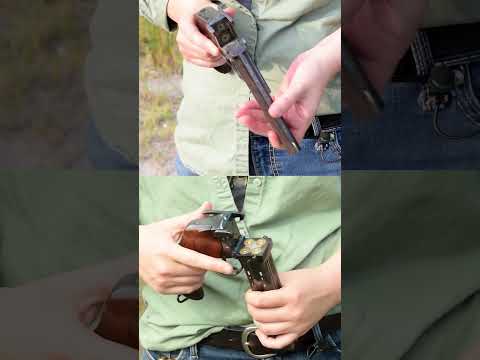
This guide details the disassembly and reassembly of the British Enfield MkI revolver, focusing on its complex lockwork and unique extraction system. It highlights the modified Warnant mechanism, the role of the fifth component, and the selective extraction feature. Proper tools and caution are advised due to the intricate nature of the firearm's internal components.


Quick Summary

The British Enfield MkI revolver, introduced in 1880, features a modified Warnant lockwork system with an automatically rebounding hammer and a unique selective extraction mechanism by Owen Jones. This system allows spent casings to be ejected while loaded cartridges remain chambered, facilitating faster reloads. It was designed for the .455 Enfield Mark II cartridge.

Chapters

  1. 00:21Introduction to the Enfield MkI
  2. 00:40Physical Specifications
  3. 01:17Sponsor: Ballistol Oil
  4. 02:18Historical Context: The British Revolver Question
  5. 04:03Early Revolver Trials (Colt, Adams)
  6. 05:23Prince George's Concern and Early Rejections
  7. 06:351874 Cavalry Sidearm Request
  8. 07:38Wilkinson Double-Barreled Pistol Trials
  9. 09:01Walter Scott and the Warnant Patent
  10. 10:11Warnant Lockwork Design
  11. 11:37Colonel Frederick Close's Involvement
  12. 12:16Adams Revolver Approval (1877)
  13. 13:13Infantry Acceptance and Demand Surge
  14. 14:17The Mystery Begins: Perry and De Muncie
  15. 15:15Michael Kaufman's Patent
  16. 16:14Demand for Faster Reloading: Top-Break Revolvers
  17. 17:21Philippe Kone Revolver Analysis
  18. 19:59Kone Design Downsides
  19. 21:41Galand Revolver Mechanism
  20. 23:52Owen Jones's Unique Extraction System
  21. 26:10Owen Jones's Army-Style Revolver Patent
  22. 28:55Enfield Tooling Up for Government Production
  23. 29:16Ammunition Concerns (.450 Adams vs. Enfield MkI)
  24. 30:14The Combination: Warnant Lockwork & Jones Extraction
  25. 31:40Royal Navy Trials (HMS Excellent)
  26. 32:13Enfield Trials Revolver Performance
  27. 33:22Improved Pattern Approval
  28. 33:44Official Sealing as Enfield MkI
  29. 34:14Detailed Look at the Enfield MkI
  30. 34:36Ergonomics and Operation
  31. 35:34Sights and Sighting
  32. 36:02Holster Guides
  33. 36:38Loading and Ejection Mechanism
  34. 38:38Ejection Process (Top-Break Action)
  35. 40:29Selective Extraction Demonstration
  36. 43:03Action Closed: Locking Mechanism
  37. 43:16Barrel Assembly Removal
  38. 44:33Barrel Rifling Details
  39. 45:04Issued Implements and Tools
  40. 45:53Side Plate Removal and Lockwork
  41. 48:41Detailed Lockwork Analysis
  42. 52:35Animation: Lockwork and Operation
  43. 54:47Animation: Ejection Mechanism
  44. 55:17Ammunition Details (.455 Enfield MkII)
  45. 57:08Shooting Demonstration
  46. 58:30Production Numbers and Cost
  47. 59:24Patent Disputes and Payments
  48. 63:00May's Impressions and Ergonomics
  49. 66:08Quick Draw Experiment
  50. 68:09Sight Analysis
  51. 69:08Overall Ergonomic Assessment

Frequently Asked Questions

What are the key features of the British Enfield MkI revolver's lockwork?

The Enfield MkI utilizes a modified Warnant lockwork system with a complex mainspring for single and double-action. It features an automatically rebounding hammer and an additional coil spring on the trigger to enhance hand engagement with the cylinder's ratchet teeth.

How does the Enfield MkI revolver's extraction system work?

The Enfield MkI employs Owen Jones's selective extraction system. When the revolver is opened, the cylinder advances slightly, allowing spent casings to fall free while loaded cartridges remain in place, facilitating quicker reloading.

What ammunition was the British Enfield MkI revolver designed for?

Initially issued with the .450 Adams cartridge, the Enfield MkI was intended for the .455 Enfield Mark II cartridge, which featured a solid drawn brass case to address issues with earlier two-piece case designs.

What are the main challenges in disassembling the Enfield MkI revolver?

Disassembling the Enfield MkI requires careful handling of its complex lockwork and the removal of a stiff side plate. The hammer pin screw is reverse-threaded, and caution is advised to avoid damaging the frame during side plate removal.

What is the significance of the holster guides on the Enfield MkI?

The holster guides on the Enfield MkI are triangular protrusions at the front of the cylinder. They prevent the holster leather from wearing on the cylinder and stop holster material from entering the chambers, which could jam the action.

Related News

All News →

More Gunsmithing & DIY Videos You Might Like

More from C&Rsenal

View all →