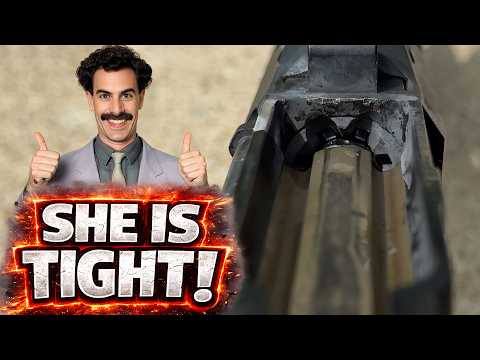
VKTR Industries Carrier Abbreviated Physical/Autopsy

Published on May 17, 2026
Duration: 2:32

This video details issues with VKTR Industries bolt carrier groups, specifically focusing on improperly staked or torqued carrier key screws. The instructor explains how to identify inferior screws by their rounded heads and lack of full-length serrations, which prevent proper staking. He emphasizes the importance of correct screw type and staking/torquing for AR-15 carrier keys to prevent failures.

Quick Summary

Inferior screws for AR-15 bolt carrier keys often have rounded heads and lack serrations that extend all the way down the screw head. This design prevents the staking process from creating a secure mechanical lock, increasing the risk of failure. Proper staking and torquing are crucial because the carrier key experiences significant shock, and incorrect installation can lead to screws becoming loose, separating, or breaking.

Chapters

  1. 00:01Introduction
  2. 00:06Bolt Carrier Work
  3. 00:13Customer Bolt Carrier Group
  4. 00:17Breakaway Test Failure
  5. 00:23Inferior Screw Design
  6. 00:33Key Area Funneling
  7. 00:44Screw Head Serrations
  8. 00:53Proper Screw Comparison
  9. 01:05Staking Mechanics
  10. 01:14Consequences of Wrong Screws
  11. 01:20YFS Screws Discussion
  12. 01:33Screw Application Issues
  13. 01:36Proper Screw Flexibility
  14. 01:41Torque and Staking Importance
  15. 01:54VKTR Industries Sealant
  16. 02:09Sealant Missed on This Unit
  17. 02:12Leak Test and Breakaway Test
  18. 02:20Trusting Your Gear
  19. 02:24Conclusion

Frequently Asked Questions

What are the signs of an inferior screw for an AR-15 bolt carrier key?

Inferior screws for AR-15 bolt carrier keys often have rounded heads and lack serrations that extend all the way down the screw head. This design prevents the staking process from creating a secure mechanical lock, increasing the risk of failure.

Why is proper staking and torquing of AR-15 carrier key screws important?

Proper staking and torquing are crucial because the carrier key experiences significant shock. Incorrect installation can lead to screws becoming loose, separating, or breaking, which can cause the bolt carrier group to malfunction or fail entirely.

What type of sealant is typically used on VKTR Industries bolt carrier groups?

VKTR Industries bolt carrier groups typically use a Permatex-style brown sealant on the carrier key screws. This sealant is designed to remain somewhat sticky even after it sets, helping to secure the screws.

What happens if AR-15 carrier key screws are under-torqued or under-staked?

If carrier key screws are under-torqued or under-staked, they can come loose. This loosening can lead to the carrier key separating from the bolt carrier, rendering the firearm inoperable and potentially causing damage.

Related News

All News →

More Gunsmithing & DIY Videos You Might Like

More from School of the American Rifle

View all →