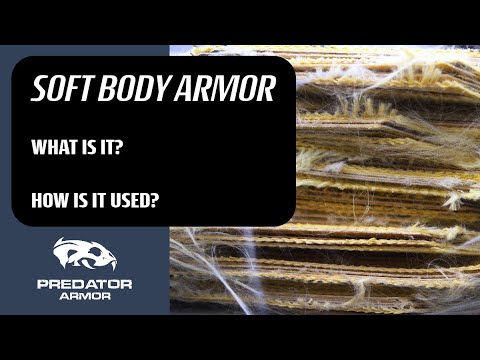
How To Make Body Armor

Published on August 17, 2023
Duration: 17:37

This video provides a detailed breakdown of how common types of body armor are manufactured, including soft armor (Kevlar/UHMWPE), hard steel armor (AR 500/650), hard polyethylene armor (UHMWPE), and ceramic armor. It explains the materials used, the manufacturing processes involved, and the factors that influence performance, thickness, and weight. The instructor emphasizes the technical complexities and specialized equipment required for effective body armor production.


Quick Summary

Body armor is manufactured using various materials and processes. Soft armor uses layered Kevlar or UHMWPE sewn together. Hard steel armor employs specialized AR steel, heat-treated for hardness. Polyethylene plates are made by pressing UHMWPE layers under extreme heat and pressure. Ceramic armor combines a brittle ceramic strike face with a UHMWPE backer to stop projectiles.

Chapters

  1. 00:00Introduction to Body Armor Manufacturing
  2. 00:45How Soft Body Armor is Made
  3. 03:15Materials for Soft Armor (Kevlar, UHMWPE)
  4. 03:30Construction of Soft Armor Panels
  5. 05:00Introduction to Hard Body Armor
  6. 05:20Steel Body Armor: AR 500 and AR 650
  7. 06:30Steel Manufacturing Process (Heat Quenching)
  8. 08:00Importance of Ballistic-Grade Steel
  9. 09:00Polyethylene (UHMWPE) Plates Manufacturing
  10. 10:00Pressing and Bonding UHMWPE Layers
  11. 12:00Ceramic Body Armor Construction
  12. 13:00How Ceramic Armor Works (Strike Face & Backer)
  13. 14:00Variations in Ceramic and Backer Materials
  14. 15:00Protective Padding on Ceramic Armor
  15. 16:00Adhesion and Multi-Hit Capabilities
  16. 17:00Conclusion and Variations in Body Armor

Frequently Asked Questions

How is soft body armor constructed?

Soft body armor, typically rated Level 3A, is made by stacking multiple layers of ballistic fibers like Kevlar or UHMWPE. These layers are then sewn together and enclosed in a protective sleeve to shield them from environmental damage like moisture and UV radiation.

What materials are used in hard steel body armor?

Hard steel body armor commonly uses AR 500 steel, a high-carbon alloy known for its hardness and abrasion resistance. Higher grades like AR 650 offer increased ballistic protection. This steel undergoes a heat quenching process to enhance its durability and reduce brittleness.

What is the manufacturing process for polyethylene (UHMWPE) body armor plates?

UHMWPE plates are created by layering unidirectional UHMW material in a mold. This mold is then placed in a high-tonnage press (up to 500 tons) and subjected to intense pressure and heat, which bonds the layers together into a solid, protective plate.

How does ceramic body armor work to stop projectiles?

Ceramic body armor uses a hard ceramic strike face that shatters and significantly slows down incoming rounds. This reduced energy allows a backing material, usually UHMWPE, to catch and absorb the projectile, preventing penetration.

More Tactical & Gear Videos You Might Like

More from Predator Armor

View all →